



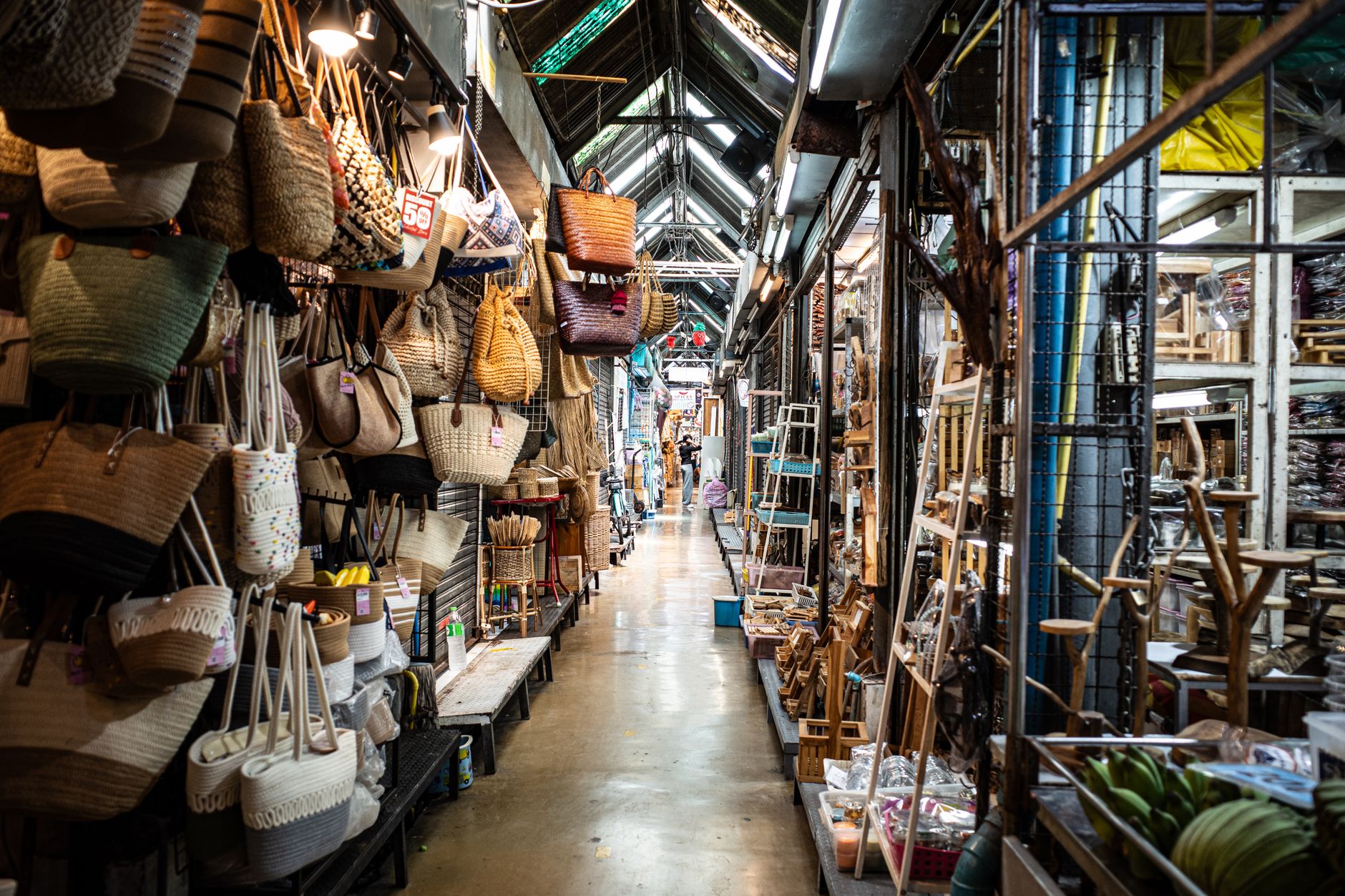
Photo by World Edits on Pexels
Bangkok’s bustling food markets are a sensory overload: sizzling woks, fragrant herbs, and stalls bursting with fresh fruit. For many travelers, the thrill of scoring a fresh mango for half the listed price is as rewarding as the bite itself. Yet, the art of bargaining can feel intimidating if you’ve never practiced it in a Thai context. This guide breaks down the cultural backdrop, equips you with a negotiation toolkit, and walks you through real‑world examples so you can walk away with a smile—and a better deal.
Understanding the Market Culture
Before you launch into price‑hunting, recognize that bargaining is a dance, not a duel. Vendors in Bangkok view haggling as a social interaction that builds rapport. A friendly smile, a few Thai phrases, and genuine curiosity about the product can turn a stiff negotiation into a pleasant exchange.
Key cultural notes:
- Politeness wins. A simple "Sawasdee khrap/kha" (hello) followed by "Khun mii gaan baang thii nai?" (What’s the price?) sets a respectful tone.
- Timing matters. Early mornings are quieter; vendors are more willing to lower prices when the crowd is thin.
- Quantity matters. Buying several items at once often unlocks a bulk discount.
Understanding these nuances helps you avoid the common mistake of shouting the lowest price, which can be seen as disrespectful.
Preparing Your Bargaining Toolkit
Success in a market hinges on preparation. Here’s a quick checklist you can keep on your phone or a small notebook:
- Research typical prices. Before you step into Chatuchak or Or Tor Kor, glance at online forums or ask locals about average costs for staples like jasmine rice, fresh herbs, or grilled pork skewers.
- Set a target price. Decide the maximum you’re willing to pay. For example, if a bowl of boat noodles is listed at 60 THB, aim for 40 THB.
- Carry small change. Vendors are more flexible when you can hand over exact amounts without needing to make change.
- Learn key phrases. Phrases such as "Lot noi dai mai?" (Can you lower it a bit?) and "Mai dai, khun jaa" (No, please) give you a linguistic edge.
- Adopt a relaxed posture. Leaning slightly forward shows interest; crossing arms can be read as defensive.
Armed with this toolkit, you’ll feel more confident and less likely to overpay.
Step‑by‑Step Negotiation Tactics
Now that you’re prepared, let’s walk through a real example at the Talat Rot Fai night market, where a vendor offers grilled corn for 30 THB.
- Start with a smile and a greeting. "Sawasdee kha!" followed by a nod.
- Ask the initial price. "Corn nueng tao tao thii nai?" (How much for one corn?) The vendor replies, "30 baht."
- Offer a lower counter‑offer. "Lot 10 baht?" (10 baht?) The vendor chuckles and says, "Mai dai, 25 baht."
- Show willingness to buy more. "If I take three, can you do 20 baht each?" This signals bulk interest.
- Close the deal. The vendor agrees, and you hand over 60 THB for three pieces, saving 30 baht total.
Notice how each step blends politeness with a clear, incremental concession. The vendor feels respected, and you walk away with a genuine discount.
Beyond the Price: Building Relationships
While the immediate goal is a lower price, the longer‑term payoff can be even richer. Regular visitors who remember a vendor’s name or ask about the origin of a spice often receive insider tips, secret recipes, or early access to fresh batches.
Practical ways to deepen the connection:
- Compliment the food specifically—"The lemongrass in this soup is perfect!"—instead of generic praise.
- Share a small story about why you love Thai cuisine; vendors love hearing travelers’ enthusiasm.
- Return the next day and ask, "What’s new today?" Even a simple "Sawasdee krub/kha" can turn a one‑off transaction into a friendly routine.
These gestures often lead to spontaneous discounts or free samples—benefits that no price‑list can quantify.
FAQ
- Q: Is it rude to walk away if the price is too high?
- A: Not at all. Politely saying, "Khop khun krub/kha, I’ll think about it," signals respect and leaves the door open for the vendor to reconsider.
- Q: How much should I expect to discount on average?
- A: Most vendors are comfortable reducing 10‑30% of the listed price, especially if you buy multiple items or pay in cash.
- Q: Should I bargain for every item?
- A: Use judgment. Fresh produce often has fixed prices, but prepared foods, souvenirs, and street snacks are prime for negotiation.
With these strategies in hand, you’re ready to navigate Bangkok’s food markets like a seasoned local—saving money, tasting authentic flavors, and forging memorable connections along the way.
Found this helpful? Share it with fellow travelers! ✈️
0 comments:
Post a Comment