



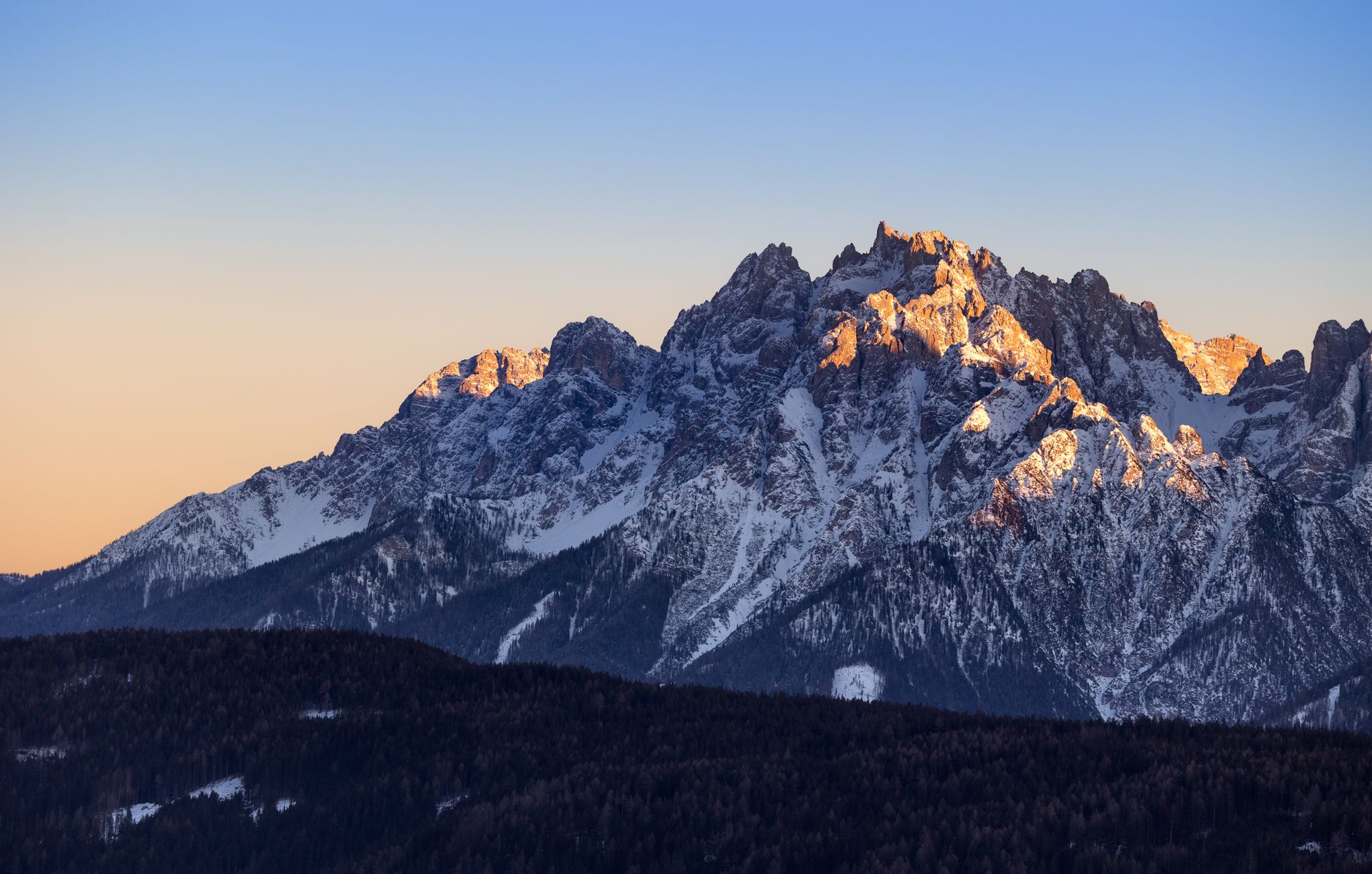
Photo by Marek Piwnicki on Pexels
Understanding Altitude Sickness and Its Triggers
Altitude sickness, also known as acute mountain illness (AMI), strikes when you ascend to elevations above 2,500 meters (8,200 ft) faster than your body can adapt. The primary culprits are reduced oxygen pressure, dehydration, and rapid changes in breathing patterns. Symptoms range from mild headaches and nausea to severe pulmonary or cerebral edema.
For travelers, the first line of defense is often medication or a slow ascent schedule. However, a growing body of research shows that mindful movement—especially yoga—can prime the respiratory and circulatory systems, making the transition smoother.
Why 5‑Minute Yoga Is a Game‑Changer for High‑Altitude Travelers
Yoga isn’t just about flexibility; it’s a holistic practice that trains the diaphragm, improves lung capacity, and calms the nervous system. Short, targeted sequences are ideal for trekkers who have limited time and gear space. Here are three science‑backed reasons why a 5‑minute routine works:
- Diaphragmatic breathing: Pranayama techniques expand the lower lungs, increasing oxygen uptake.
- Vasodilation: Gentle twists and forward bends stimulate blood flow to the brain, reducing the risk of headache.
- Stress reduction: The parasympathetic response lowers cortisol, which can exacerbate altitude‑related nausea.
Real‑world example: On the Annapurna Circuit (3,300 m), I performed a 5‑minute routine every evening. Within two days, my headaches subsided and my energy levels stayed stable, even though I was climbing 600 m per day.
5‑Minute Yoga Routine to Keep Altitude Sickness at Bay
Each movement lasts 30 seconds, with a smooth transition. No props required—just a small, flat surface.
- Seated Cat‑Cow (30 s): Sit cross‑legged, place hands on knees. Inhale, arch the back and lift the chest (Cow). Exhale, round the spine (Cat). This mobilises the thoracic spine and encourages deep breathing.
- Standing Forward Fold (30 s): Feet hip‑width apart, hinge at the hips, let the head hang. This inversion gently increases blood flow to the brain and stretches the hamstrings, which often tighten at altitude.
- Low Lunge with Arms Overhead (30 s each side): Step right foot forward, lower the left knee, sweep arms overhead, and breathe into the chest. Opens the hip flexors and expands the rib cage.
- Half‑Moon Pose (30 s each side): From a standing position, shift weight onto the right foot, lift the left leg, and extend the right arm toward the floor while the left arm reaches skyward. Improves balance and stimulates the diaphragm.
- Legs‑Up‑the‑Wall (Viparita Karani) (30 s): Sit close to a wall, swing legs up, and relax the arms by your sides. This gentle inversion reduces swelling in the lower limbs and calms the nervous system.
Tip: Perform the routine after a light snack and a bottle of water, preferably during the early evening when the body is winding down. If you feel any dizziness, pause and return to natural breathing.
Integrating Yoga Into Your Trekking Schedule
Consistency beats intensity. Here’s a simple plan to embed the routine into a multi‑day trek:
- Day 0 (Arrival): Do a quick 5‑minute session in your lodging to prime the lungs.
- Days 1‑3 (Rapid ascent): Perform the routine after dinner, before bedtime. Pair it with a short journal entry about how you feel; tracking symptoms helps you adjust pace.
- Days 4‑7 (Acclimatization): Add a 2‑minute breathing focus (Nadi Shodhana) before the routine. This deepens oxygen exchange during the acclimatization phase.
- Descent: Continue the practice; it aids recovery by flushing excess lactic acid from the muscles.
Real example: While trekking the Inca Trail (2,800 m), my group incorporated the routine at the Sun Gate campsite. The collective practice boosted morale, and none of us experienced severe altitude symptoms, even though the final ascent was steep.
FAQ
Can I do these yoga moves if I’m a complete beginner?
Absolutely. Each pose is low‑impact and can be modified. For instance, the Low Lunge can be performed with hands on a rock for extra support.
Should I replace medication with yoga?
No. Yoga is a complementary tool. If you have a history of severe altitude sickness, carry prescribed medication (e.g., acetazolamide) and consult a doctor before the trip.
What if the weather is too cold for an outdoor routine?
Most hostels or tents have a small indoor space. The routine requires only a mat or a towel, so you can practice inside. If you’re truly stuck, focus on the breathing exercises alone—they still deliver benefits.
By weaving a 5‑minute yoga practice into your high‑altitude itinerary, you give your body the tools it needs to adapt, stay energized, and enjoy the summit views without the fog of altitude sickness. Pack a lightweight mat, set a reminder on your phone, and let each breath lift you higher.
Found this helpful? Share it with fellow travelers! ✈️
0 comments:
Post a Comment