



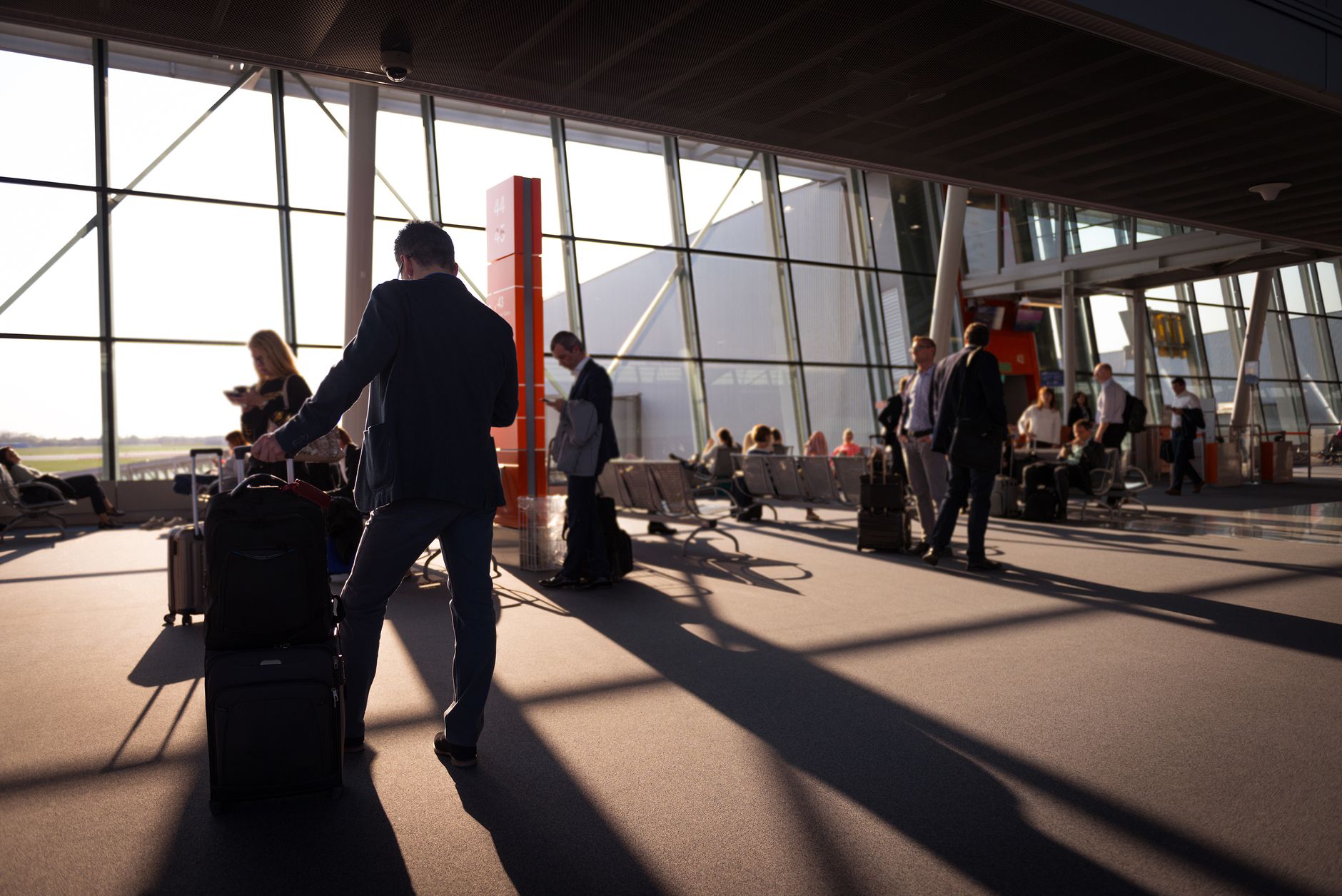
Understanding Travel Exhaustion
Long flights, time‑zone shifts, and packed itineraries can leave even the most seasoned globetrotter feeling drained. The symptoms—headaches, restless legs, foggy concentration, and a constant desire to nap—are often labeled "jet lag" or "travel fatigue," but the underlying cause is a stressed nervous system struggling to adapt. When cortisol spikes and oxygen intake becomes shallow, the body’s natural recovery mechanisms stall, making every step feel heavier.
Recognizing the signs early is the first line of defense. If you notice a rapid heartbeat, shallow breaths, or an urge to stare at the cabin ceiling for more than five minutes, you are likely experiencing the physiological cascade of travel exhaustion. The good news? A simple breath pattern can reset that cascade in under two minutes.
The Science Behind 4-7-8 Breathing
The 4-7-8 technique, popularized by Dr. Andrew Weil, is rooted in ancient pranayama practices. The pattern—inhale for 4 seconds, hold for 7, exhale for 8—slows the heart rate, stimulates the vagus nerve, and promotes the release of the calming neurotransmitter GABA. Research published in the Journal of Clinical Psychology shows that just four cycles can reduce anxiety scores by up to 30% and improve oxygen saturation by 2–3%.
Why does the 7‑second hold matter? It gives the diaphragm time to fully expand, allowing the lungs to fill with fresh air and the blood to absorb more oxygen. The extended exhale then activates the parasympathetic nervous system, which is the body’s natural “rest‑and‑digest” mode. For travelers, this translates into quicker recovery after a red‑eye, smoother adjustment to new time zones, and a clearer mind for navigating unfamiliar streets.
How to Practice 4-7-8 on the Go
Integrating the technique into a travel routine is easier than you think. Follow these actionable steps, each paired with a real‑world example:
- Step 1 – Find a Quiet Anchor. In an airport lounge, sit upright with your feet flat. If you’re on a train, lean against the seat back. The anchor point provides stability for the diaphragm.
- Step 2 – Inhale Through the Nose (4 seconds). Count silently: "one, two, three, four." Imagine drawing in fresh mountain air. Example: After a 14‑hour flight to Santiago, I inhaled while watching the runway lights fade.
- Step 3 – Hold (7 seconds). Keep the breath inside. This is the sweet spot for oxygen exchange. While waiting for a connecting bus in Bangkok, I held the breath and felt my chest expand.
- Step 4 – Exhale Through the Mouth (8 seconds). Purse your lips and sigh out slowly, counting to eight. The longer exhale forces the body to release tension. I practiced this while stepping off the Eiffel Tower elevator, instantly calming my racing heart.
Repeat the cycle four times before a meeting, a long hike, or a night‑time sleep attempt. The entire routine takes under two minutes, making it perfect for cramped airplane seats, hotel rooms, or even a bustling train platform.
Real‑World Travel Scenarios & Success Stories
Scenario 1 – Red‑Eye Recovery in Tokyo. After a 12‑hour overnight flight, I felt jittery and couldn’t fall asleep in my capsule hotel. I performed 4‑7‑8 breathing on the balcony, focusing on the city lights. Within five minutes, my heart rate dropped from 98 to 72 bpm, and I drifted into a deep sleep.
Scenario 2 – Hiking the Inca Trail. At 3,800 meters, altitude sickness can mimic exhaustion. I used the technique before each summit, holding the breath longer to maximize oxygen uptake. The result: fewer headaches and a steadier pace, allowing me to finish the trek without supplemental oxygen.
Scenario 3 – Business Conference in Dubai. A packed agenda left me mentally foggy by day three. During a coffee break, I slipped into a quiet corner and ran three cycles of 4‑7‑8. The mental clarity returned, and I delivered a confident presentation that earned a follow‑up contract.
These anecdotes illustrate that the 4‑7‑8 method isn’t just a gimmick; it’s a portable, evidence‑based tool that works across cultures, climates, and schedules.
FAQ
Q1: How many cycles should I do before a long flight?
A: Start with four cycles (about 1½ minutes) before boarding, then repeat once or twice during the flight whenever you feel tension building. Consistency is more important than volume.
Q2: Can I combine 4‑7‑8 with other relaxation techniques?
A: Absolutely. Pair it with progressive muscle relaxation or a short meditation. For example, after each exhale, tense and release your shoulders to amplify the calming effect.
Q3: Is the technique safe for people with respiratory conditions?
A: Most healthy adults can practice safely, but if you have asthma, COPD, or a heart condition, consult a physician first. You can shorten the hold (e.g., 4‑5‑6) while preserving the core principle of a longer exhale.
By mastering the 4‑7‑8 breathing technique, you equip yourself with a discreet, drug‑free antidote to travel exhaustion. The next time you feel the drag of a time‑zone shift, remember: a simple rhythm of breath can turn fatigue into fresh energy—anywhere, anytime.
Found this helpful? Share it with fellow travelers! ✈️
0 comments:
Post a Comment