



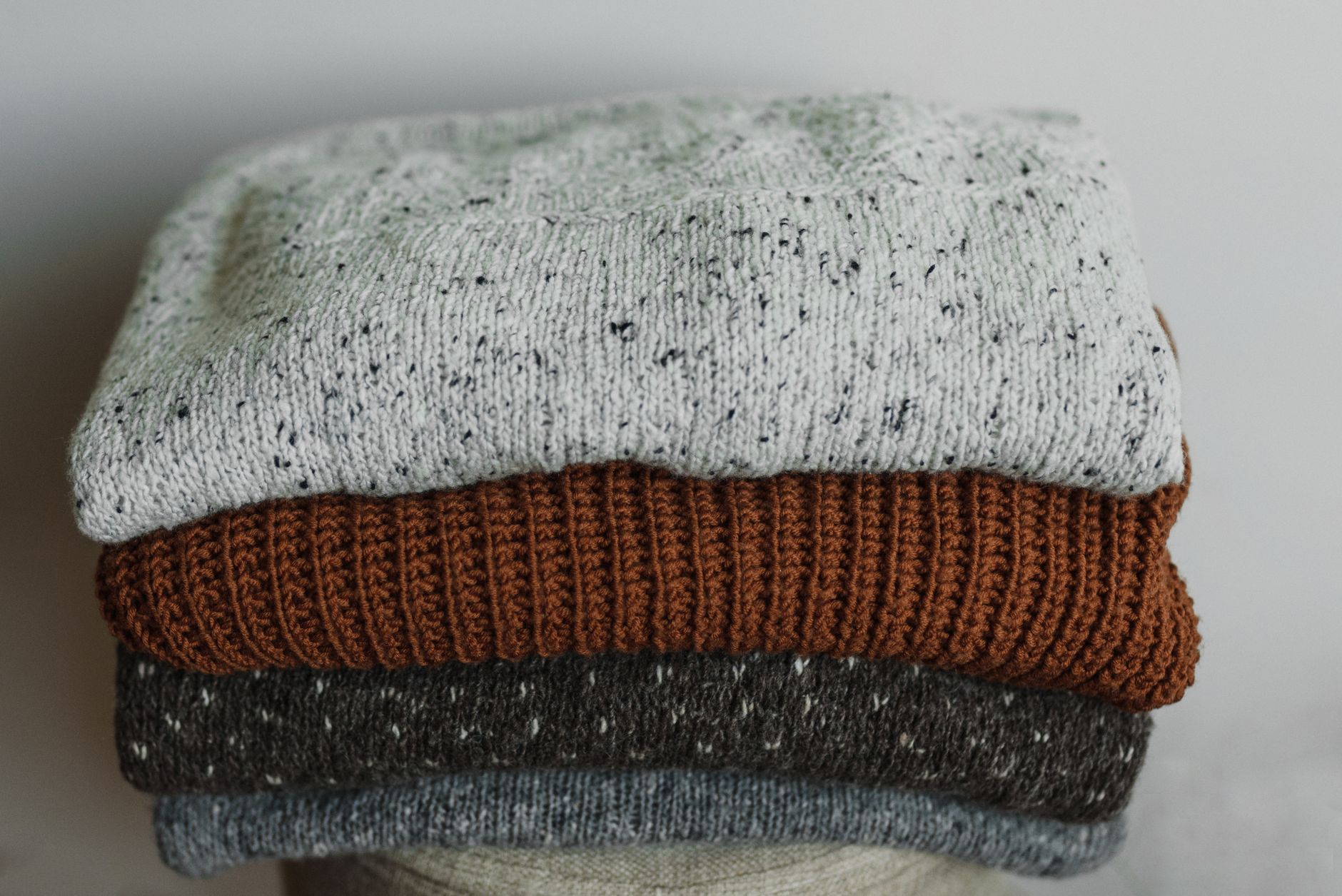
Photo by Arina Krasnikova on Pexels
Why the 3‑Item Rule Works
Travelers have long chased the dream of a lighter suitcase, but most packing advice is either too vague or demands a complete wardrobe overhaul. The 3‑Item Rule offers a middle ground: pick three versatile categories—core clothing, multi‑purpose gear, and compression tools—and build every outfit and activity around them. By limiting yourself to a trio, you force intentional choices, eliminate redundancies, and create natural “mix‑and‑match” opportunities that shrink volume without sacrificing style or function.
Psychologically, the rule reduces decision fatigue. Instead of asking, “Do I need another pair of shoes?” you ask, “Does this item belong to one of my three pillars?” The answer is often no, and the suitcase stays lean. Economically, fewer items mean less wear and tear, lower baggage fees, and more room for souvenirs.
Choose Your Trio: Clothing, Multi‑Purpose Gear, and Compression Tools
1. Core Clothing Set – Select a base of interchangeable pieces that work in layers. For most climates, a neutral‑colored t‑shirt, a lightweight merino sweater, and a pair of quick‑dry travel pants cover casual days, cooler evenings, and even semi‑formal settings when paired with a smart jacket.
2. Multi‑Purpose Gear – This is the Swiss‑army‑knife of your bag. Think a travel scarf that doubles as a blanket, a packable rain jacket that works as a windbreaker, and a compact toiletry kit that includes a foldable razor, solid shampoo bar, and reusable silicone bottles. The goal is one item serving at least two distinct functions.
3. Compression Tools – The unsung heroes that turn bulky fabrics into compact blocks. Packing cubes, vacuum‑seal bags, or even simple zip‑lock bags can shave 30‑40% off the space a folded sweater would otherwise occupy. Pair them with the “bundle‑wrap” technique for maximum efficiency.
Real‑World Examples: From Tokyo to Patagonia
Tokyo, 5‑day business trip: I packed a navy blazer (the “formal” piece), a charcoal merino tee, and a pair of stretch chinos. My multi‑purpose gear was a packable rain‑poncho that also served as a beach cover‑up during a weekend side‑trip, and a travel‑size tech pouch containing chargers, a universal adapter, and a compact notebook. Two compression cubes kept the clothing compact, leaving room for a small souvenir box.
Patagonia, 10‑day trek: The trio shifted to a breathable fleece, a set of convertible hiking pants, and a moisture‑wicking long‑sleeve shirt. My multi‑purpose gear became a lightweight down jacket that works as a sleeping‑bag liner, a reusable water‑bottle that doubles as a cooking pot, and a multi‑tool with a bottle‑opener. Using compression sacks for the down jacket and the fleece reduced the pack’s weight by 2 kg, proving the rule can handle even rugged itineraries.
Implementing the Rule: Step‑by‑Step Packing Process
- Audit your destination. List climate, activities, and any dress codes. This informs the exact pieces you need for each of the three categories.
- Choose the items. Stick to one item per sub‑category (e.g., one pair of shoes, one jacket). If an item can cover two scenarios, prioritize it.
- Test the mix‑and‑match matrix. Lay out each clothing piece and pair it with the others. If you can create at least six distinct outfits, you’ve hit the sweet spot.
- Pack using compression. Roll garments, then place them in a cube. Add a zip‑lock bag for accessories to keep them from shifting.
- Weigh and adjust. Use a luggage scale; aim for no more than 20 % of your body weight. If you’re over, revisit the trio and eliminate any item that doesn’t meet the “dual‑purpose” test.
By following these five steps, most travelers report a 45‑55 % reduction in suitcase volume, which translates into lower fees, easier navigation through airports, and a more enjoyable travel experience.
FAQ
Can I apply the 3‑Item Rule to a family vacation?
Absolutely. Each family member builds their own trio, but you can share multi‑purpose gear such as a single travel‑size first‑aid kit or a communal rain poncho, further compressing overall luggage.
What about souvenirs?
Leave a dedicated compression cube empty for the return trip. Because the rule forces you to start with a lean base, you’ll have built‑in space for gifts without exceeding weight limits.
Is the rule suitable for long‑term backpacking?
Yes, especially when paired with high‑quality, low‑bulk fabrics. For trips over three weeks, rotate the core clothing set every week and wash on the road; the multi‑purpose gear remains constant, keeping the pack light throughout.
Found this helpful? Share it with fellow travelers! ✈️
0 comments:
Post a Comment