



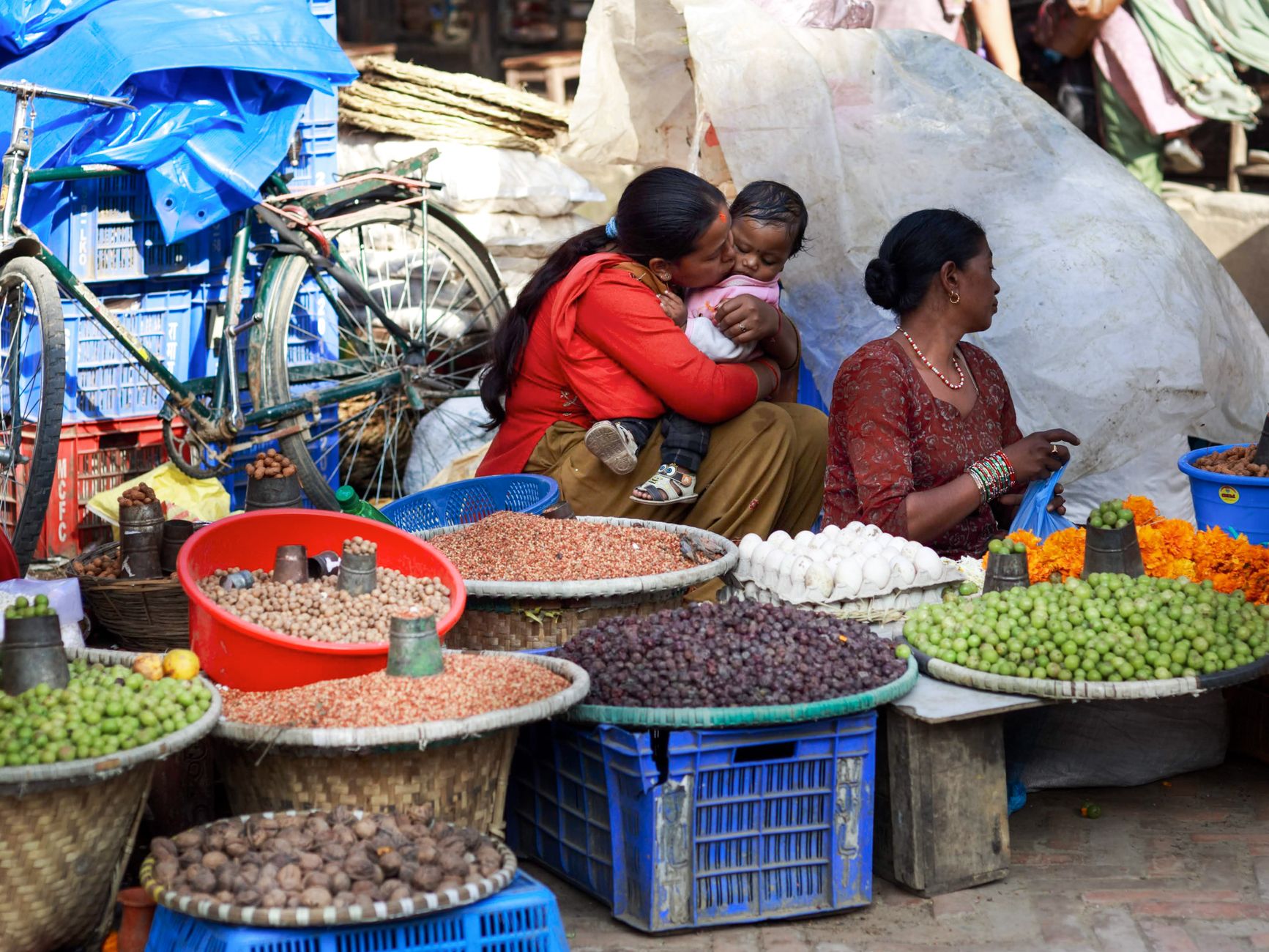
Photo by Mehmet Turgut Kirkgoz on Pexels
Understanding the Food Culture
Before you even set foot in a bustling market or a family‑run eatery, take a moment to observe the rhythm of the place. In many countries, meals are more than fuel; they are social rituals that reveal history, geography, and values. For instance, in Japan, the concept of ichijū-sansai (one soup, three sides) reflects a balance of flavors, textures, and seasonal ingredients. In Mexico, the midday comida often stretches for two hours and includes a soup, a main dish, and a fresh fruit finish.
Actionable tip: When you arrive, ask a local (or watch the locals) what time they typically eat their main meal. Aligning your schedule with theirs not only avoids closed kitchens but also grants you a seat at the table when the kitchen is at its freshest.
Real‑world example: During a week‑long stay in Chiang Mai, I learned that the best time to sample khao soi was after the 11 am market rush, when vendors had just restocked their coconut milk and fresh herbs.
Decoding Menus & Street Signs
Menus abroad can feel like cryptic codebooks, especially when they mix regional dialects, slang, or pictograms. A quick trick is to identify three recurring elements: the protein, the cooking method, and the garnish. In Italy, alla griglia signals grilled, while alla piastra means pan‑seared. In Thailand, the word pad indicates a stir‑fry, as in pad thai or pad kra pao.
Actionable tip: Carry a small notebook (or a notes app) and jot down unfamiliar words. Then, use a translation app that allows you to draw the characters; many apps can recognize handwritten script and give you a quick definition.
Real‑world example: While wandering the night market in Taipei, I saw a stall labeled "蚵仔煎". By sketching the characters into my phone, the app revealed it was "oyster omelette" – a dish I would have missed without the quick visual translation.
Insider Strategies for Authentic Eats
Travelers often fall into the tourist‑trap trap, ordering the same “safe” dishes at every restaurant. To break free, follow locals to their hidden gems. Here are three proven strategies:
- Follow the crowd, but not the crowd. Look for stalls with a line of locals, but avoid those advertised on hotel brochures. In Marrakech, a tiny rooftop café behind the souk served the most fragrant tajine I’ve ever tasted, because the owner’s mother still prepares the spice blend.
- Ask for the "daily special" in the native language. In Spain, saying "¿Qué hay de especial hoy?" often lands you a plate of pulpo a la gallega that isn’t on the printed menu.
- Swap a dish for a cooking tip. In Seoul, offering to share a photo of your homemade kimchi in exchange for the chef’s secret for perfectly fermented cabbage earned me a private tasting of samgyeopsal with a side of aged gochujang.
Actionable tip: When you sit down, ask the server, "What do locals order here?" This simple question often unlocks the kitchen’s pride dish, bypassing the generic tourist fare.
Real‑world example: In Lisbon, I asked the bartender what the locals paired with grilled sardines. He poured a glass of chilled Vinho Verde and recommended a drizzle of lemon‑infused olive oil – a combination that elevated the simple fish to a culinary revelation.
Frequently Asked Questions
Q1: How do I handle dietary restrictions without offending locals?
A: Phrase your needs politely and provide a short translation. For example, "I’m allergic to peanuts – could you recommend a dish without them?" In many Asian countries, saying "I’m allergic to peanuts" in the local language (e.g., "我对花生过敏" in Mandarin) is respected and often leads the chef to suggest safe alternatives.
Q2: Is it okay to tip in countries where tipping isn’t customary?
A: Tipping customs vary. In Japan, leaving a tip can be seen as rude, while in the United States, a 15‑20% tip is standard. When unsure, observe what locals do or ask a hotel concierge for the local etiquette.
Q3: How can I avoid food‑borne illnesses while still eating street food?
A: Choose stalls that cook food to order, have a high turnover, and display clean preparation areas. Look for signs of freshness – steam rising from a wok, bright colors in the ingredients, and a line of locals waiting. Carry a small bottle of bottled water and consider probiotic supplements before the trip.
Found this helpful? Share it with fellow travelers! ✈️
0 comments:
Post a Comment