



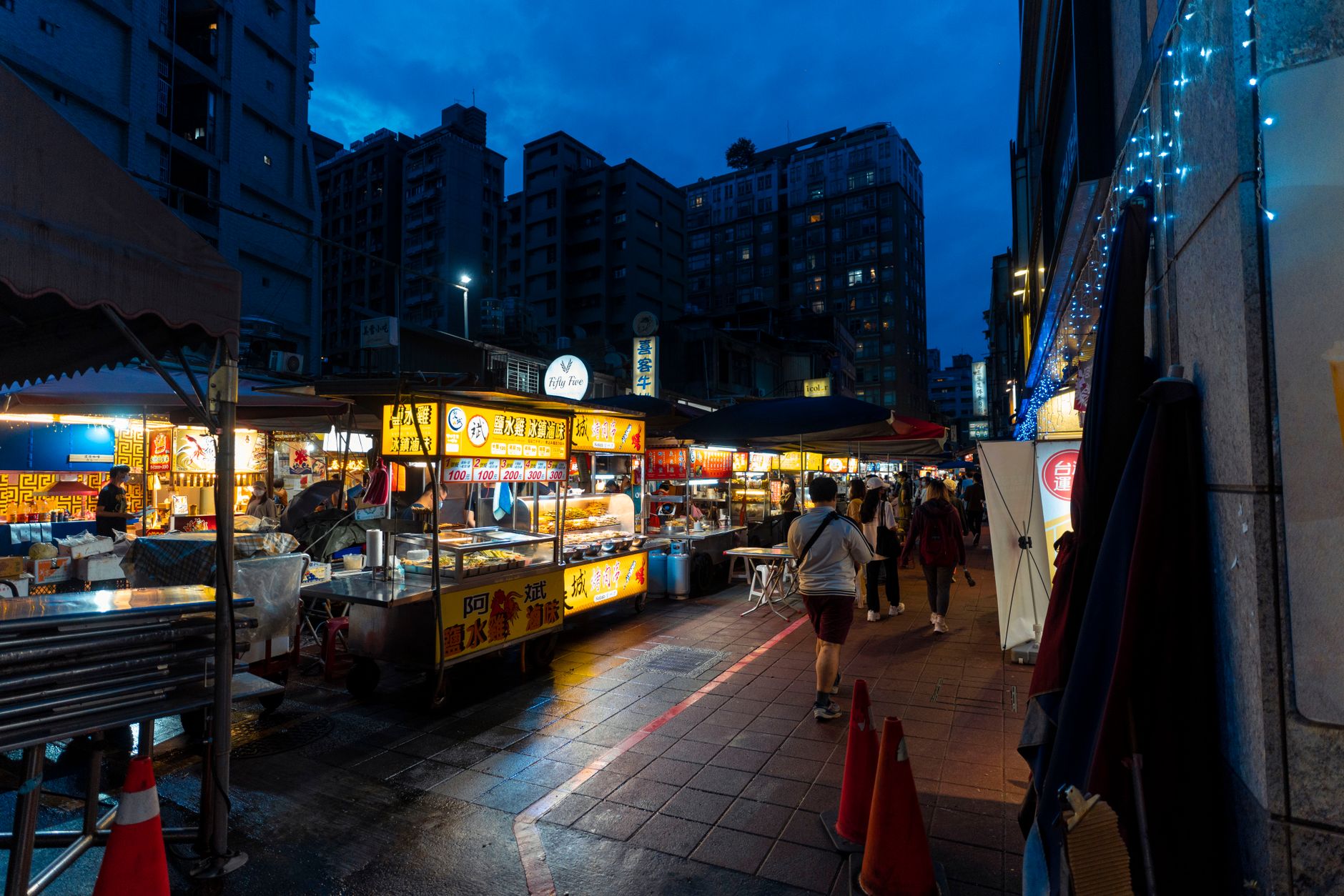
Photo by Jimmy Liao on Pexels
When the sun sets and city lights flicker on, a different kind of marketplace awakens. Night markets, from Bangkok's bustling streets to Mexico City's vibrant plazas, become laboratories of flavor where locals and travelers alike gather to eat, shop, and socialize. The air is thick with the sizzle of woks, the aroma of grilled seafood, and the sweet perfume of candied fruit. For the curious palate, these nocturnal bazaars offer a fast‑track to a culture’s culinary soul—if you know how to navigate them.
Why Night Markets Are Culinary Goldmines
First, night markets concentrate the most popular street foods in one compact area. Vendors have spent years perfecting a single dish, whether it’s Taiwan’s oyster omelet or Portugal’s pastel de nata, so you get a version that’s been honed by countless customers. Second, the late‑hour setting means prices drop as the night wears on, giving you premium taste without premium cost. Finally, the communal tables and noisy chatter create an atmosphere where you can learn cooking tricks simply by watching a chef flip a pancake or hearing a regular explain the secret spice blend.
Preparing for a Midnight Food Hunt
Before you set foot on a market, do a quick reconnaissance. A simple Google search for “night market food guide” plus the city name will reveal must‑try stalls and their operating hours. Many markets open around 6 pm and start winding down after 11 pm, but the best bargains appear after 9 pm when vendors lower prices to clear inventory. Bring enough small‑denomination cash—most stalls don’t accept cards, and a 100‑peso note can be cumbersome for a 30‑peso snack. Download a translation app with offline mode; a quick scan of a menu can save you from ordering something you can’t eat.
Here are three actionable tips you can apply tonight:
- Follow the crowd to the busiest stall. In Seoul’s Gwangjang Market, the line for bindaetteok (mung‑bean pancake) can stretch for blocks, but the first bite is worth the wait—crispy outside, fluffy inside.
- Ask the vendor for the “chef’s special” of the day. In Chiang Mai’s Saturday Night Market, the owner of a small cart will often serve a secret‑sauce grilled pork that isn’t on the menu, a treat only locals know.
- Sample a small portion before committing to a full plate. At Mexico City’s Mercado de San Juan, the tiny taco al pastor bite lets you gauge the balance of pineapple, chilies, and marinated pork before ordering a dozen.
Decoding the Stalls: What to Look For
A well‑organized stall usually displays a clear price list and a picture of the dish. Look for fresh ingredients—shimmering fish, bright herbs, and steam rising from a pot. In Bangkok’s Rot Fai Market, the shrimp‑filled rice paper rolls are wrapped on the spot, guaranteeing a crisp texture. Conversely, a stall that stores pre‑cooked meat in a glass case for hours may sacrifice flavor for convenience. Trust your senses: a sizzling sound, a fragrant waft, and a clean cooking surface are universal indicators of quality.
Cultural cues also guide you. In Japan’s Omoide Yokocho, you’ll find tiny izakaya‑style bars where the owner greets you with a nod and serves yakitori on a charcoal grill. The simplicity of the setting signals that the focus is on the meat’s natural flavor, not on elaborate garnish.
Savoring the Experience: Tips for Authentic Tasting
When you finally have a plate in hand, remember that night‑market dining is meant to be shared. Grab a plastic tray, sit on a nearby bench, and invite strangers to sample a bite. In Taipei’s Shilin Night Market, locals often exchange a piece of stinky tofu for a bite of grilled corn—an unspoken barter that enriches the experience. Pace yourself; many stalls serve small, intense portions that pack a punch. Drink water or a local tea between bites to cleanse your palate and fully appreciate each flavor transition.
Finally, capture the moment responsibly. Use a smartphone to snap a quick photo of the stall’s signage and the dish, but keep the focus on the food, not the crowd. This respect for privacy ensures the market stays vibrant for future travelers.
FAQ
- What’s the best time to visit a night market for fresh food?
- Arrive early, around 6‑7 pm, to enjoy food at its peak freshness. If you’re after discounts, stay until after 9 pm when vendors begin to lower prices on remaining stock.
- Do I need to speak the local language to eat at night markets?
- Not necessarily. Many vendors understand basic English or gestures. Having a translation app or a few key phrases ready can smooth the ordering process and prevent misunderstandings.
- How can I stay safe while eating street food at night?
- Choose stalls with high turnover, as fast‑moving food is less likely to sit out. Watch the cooking process, ensure food is served hot, and carry hand sanitizer. Trust your instincts—if a stall looks unhygienic, move on.
Found this helpful? Share it with fellow travelers! ✈️
0 comments:
Post a Comment