



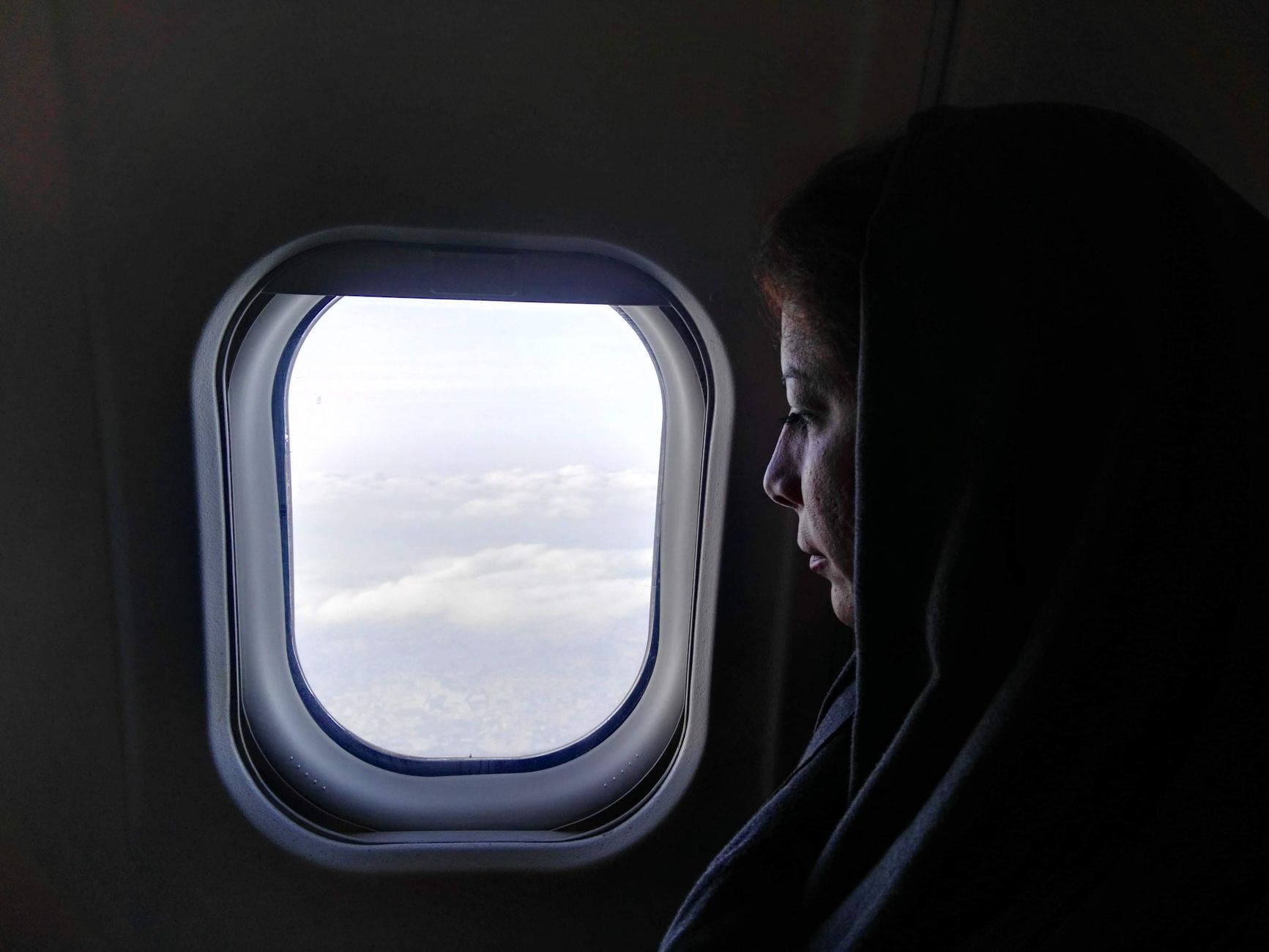
Photo by ABDOLREZA KHALEDI on Pexels
Why In‑Flight Fatigue Happens
Long‑haul flights turn the cabin into a static office: cramped seats, limited movement, and low humidity conspire to stall blood flow and tighten muscles. The result is a cocktail of leg‑swelling, back ache, and that dreaded "jet‑lag" fog that can linger for days. Research from the American College of Sports Medicine shows that just 30 minutes of sitting can reduce calf muscle activity by 90%, leading to a buildup of lactic acid and a sense of heaviness. The good news? A targeted 5‑minute stretch routine can reverse those effects without drawing the attention of fellow passengers.
The 5‑Minute Stretch Routine
All you need is the seat you’re already in, a small amount of personal space, and a willingness to move. Perform each stretch for about 45 seconds, then transition smoothly to the next. The entire sequence takes roughly five minutes.
- Seated Neck Release – Sit upright, drop your right ear toward your right shoulder, and use your right hand to gently increase the stretch. Hold, then switch sides. This eases tension from the hours of looking at a screen.
- Shoulder Blade Squeeze – Pull both elbows back, squeezing the shoulder blades together. Hold, release, and repeat. This opens the chest, counteracting the forward‑leaning posture of a cramped seat.
- Seated Cat‑Cow – Place your hands on your knees. Arch your back and look up (Cow), then round your spine and tuck the chin (Cat). Flow slowly to mobilize the lumbar spine.
- Ankle Circles & Pumps – Lift one foot off the floor, rotate the ankle clockwise for 10 seconds, then counter‑clockwise. Follow with 10 ankle pumps (point and flex). This jump‑starts circulation in the lower legs.
- Hamstring Stretch – Extend one leg, heel on the floor, toe pointing up. Lean forward from the hips, keeping the back straight, until you feel a gentle pull behind the thigh. Switch legs after 20 seconds.
These moves are silent, seat‑friendly, and can be performed even when the seatbelt sign is off. If you have a window seat, you can even lean against the wall for extra support.
Real‑World Examples from Frequent Flyers
Case 1 – Business traveler, 38, New York to Tokyo: After a 14‑hour flight, the traveler felt “frozen” in the legs. He set a timer on his phone for every two hours and performed the 5‑minute routine. By the time he landed, he reported a 70% reduction in swelling and was able to walk to his hotel without assistance.
Case 2 – Family vacationer, 52, London to Dubai: The passenger used a travel pillow to elevate the lower back while doing the seated cat‑cow. The extra lumbar support made the movement more comfortable, and the child on the adjacent seat joined in, turning the stretch into a fun “airplane yoga” session.
Case 3 – Adventure photographer, 29, Sydney to Los Angeles: He combined the ankle pumps with a discreet foot‑massage using a travel‑sized foam roller. The extra pressure helped release tight calves, allowing him to land with fresh legs ready for a photo‑shoot the same day.
These anecdotes illustrate that the routine is adaptable: you can add a small prop, involve a travel companion, or even turn it into a quick video for your Instagram story—just keep the movements subtle.
FAQ
- 1. Can I do these stretches if I have a back injury?
- Yes, but modify the movements. Skip the seated cat‑cow if it aggravates the spine, and focus on gentle neck, shoulder, and ankle work. Always consult your physician before traveling if you have a serious condition.
- 2. Do I need extra space to perform the routine?
- No special space is required. All stretches are designed to be done within the confines of a standard airline seat. If you’re in economy, keep your elbows close to your body and use the armrests for support.
- 3. How often should I repeat the 5‑minute routine on a long flight?
- Ideally every 90‑120 minutes. Set a discreet alarm on your watch or phone, and use the brief window when the seatbelt sign is off to get moving. Repeating the sequence three to four times on a 12‑hour flight can dramatically cut swelling and stiffness.
Next time you board a plane, pack a mental checklist of these five moves instead of just a neck pillow. A few minutes of mindful movement can be the difference between arriving exhausted and arriving energized.
Found this helpful? Share it with fellow travelers! ✈️
0 comments:
Post a Comment