



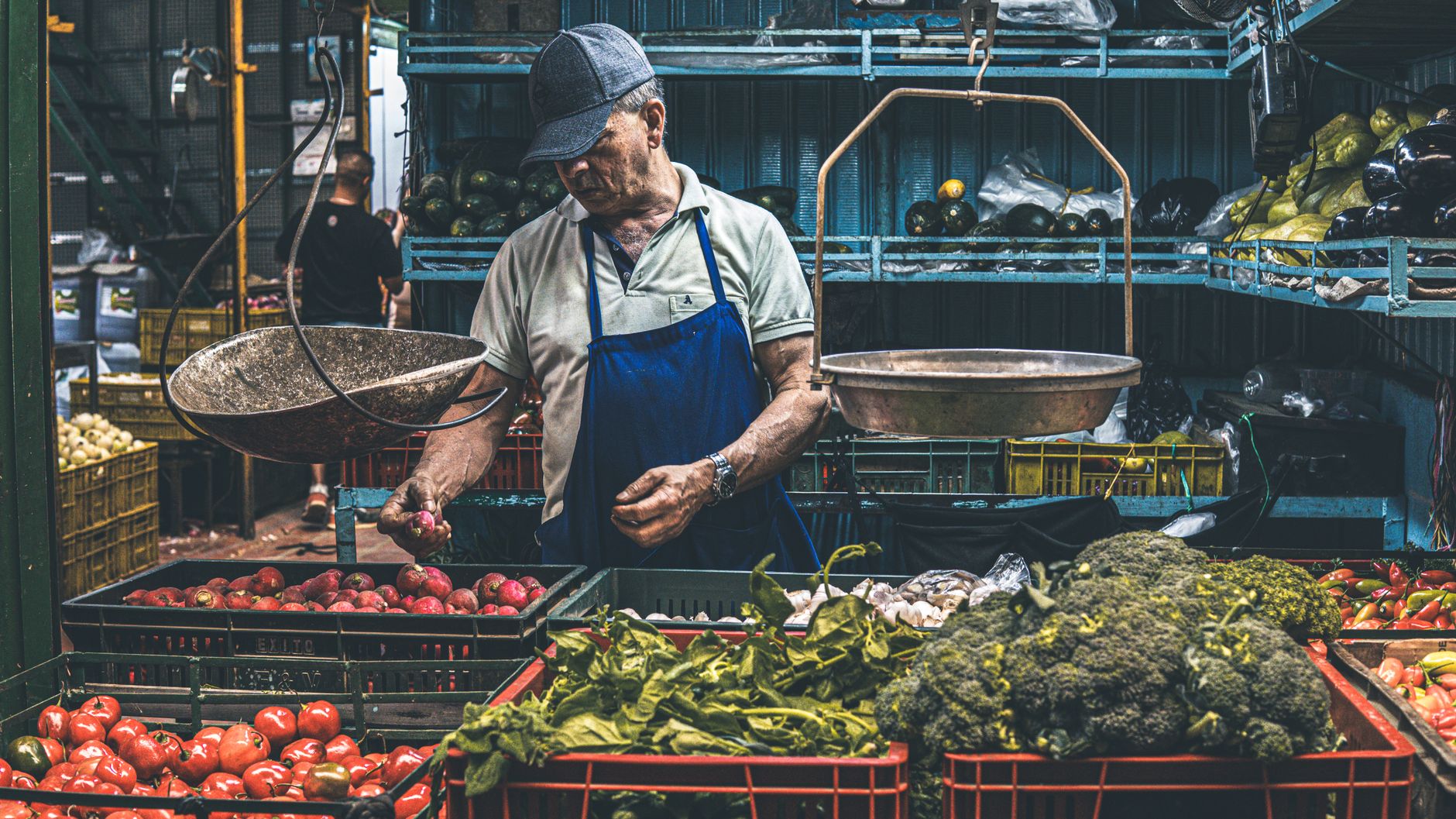
Why Candid Portraits Matter
There is a magnetic pull to the unscripted moments you encounter on a bustling market street, a quiet village square, or a sun‑drenched café terrace. Those fleeting glances, laughter lines, and spontaneous gestures tell a story that staged portraits often miss. When you capture strangers in their natural element, you create a visual diary of the culture you’re exploring. But the power of candid travel portraits comes with a responsibility: you’re documenting real people, not just scenery. Respectful etiquette ensures that the experience is positive for both photographer and subject.
5 Etiquette Tips for Respectful Shots
1. Ask Before You Shoot (When Possible)
Even a brief, friendly greeting can transform a potentially invasive moment into a collaborative one. In Marrakech’s souk, I approached a spice vendor, smiled, and said, “May I capture the colors of your stall?” He nodded, and the resulting portrait not only showed his vibrant wares but also his pride in the craft. If language barriers exist, a simple hand gesture or a printed card stating your intent can bridge the gap.
2. Honor Personal Space and Context
Physical proximity can feel threatening, especially in cultures where personal space is sacrosanct. In Kyoto’s Nishiki Market, I kept a respectful arm’s length from a fishmonger, focusing on his hands as he expertly filleted a tuna. The image highlighted his skill without intruding on his workspace. When in doubt, observe the environment first; if people are moving quickly or appear preoccupied, wait for a calmer moment.
3. Be Transparent About Your Purpose
People are more likely to consent when they understand why you want the photo. I once explained to a street performer in Buenos Buenos Aires that I was creating a series on urban musicians for a travel blog. He smiled, performed a short riff, and later sent me a thank‑you note after I shared the final image on social media. Transparency builds trust and often yields richer expressions.
4. Offer to Share the Result
In the age of instant digital sharing, offering a copy of the photograph is a small gesture that goes a long way. While photographing a tea‑seller in Chiang Mai, I swapped my phone’s contact info for a printed photo. He later displayed it in his stall, turning a fleeting encounter into a lasting memory for both of us. If you can’t provide a physical print, sending a digital file via email or messaging app is equally appreciated.
5. Know When to Walk Away
Not every moment is meant to be captured. If someone looks uncomfortable, turns away, or explicitly says no, respect that decision immediately. In a small village in Oaxaca, a mother shielding her child from the camera signaled disinterest. I thanked her for her time and moved on, preserving the dignity of the moment and avoiding resentment.
Real‑World Examples from the Road
These tips aren’t theoretical—they’ve saved me from awkward confrontations and helped me build genuine connections. In Istanbul’s Grand Bazaar, I asked a carpet dealer if I could photograph his family arranging a new rug. He invited me into his modest home, allowing me to capture a multi‑generational portrait that later won a feature in a travel magazine. The key was patience: I waited while he finished his sale, then approached with a respectful tone.
Another memorable scene unfolded in Lagos, Nigeria. A group of teenagers were dancing to a street DJ’s beats. I raised my camera, smiled, and shouted, “Can I get a quick shot of your dance?” Their enthusiastic nods turned a chaotic street party into a vibrant portrait series that highlighted youthful energy. After the shoot, I posted the images on Instagram and tagged them, which they loved and shared with their friends.
Conversely, a lesson learned in Prague taught me the importance of cultural nuance. I attempted to photograph a street magician without asking, assuming his performance invited audience interaction. He stopped mid‑trick, visibly annoyed, and asked me to leave. The experience reminded me that not all public performances are open invitations for photography; always gauge the performer’s comfort level first.
FAQ
Q1: Is it ever okay to take a photo without asking?
A: In truly public spaces where people have no reasonable expectation of privacy—like a crowded train platform—brief, unobtrusive shots are generally acceptable. However, when the subject is the focal point of the image, a polite request is the best practice.
Q2: How should I handle language barriers when asking for permission?
A: A friendly smile, a simple “Can I take your picture?” in the local language (or a translation app), and a printed card explaining your intent work well. Most people appreciate the effort to communicate.
Q3: What if the person says no? Can I still use the photo?
A: No. Respect the refusal and delete the image if you’ve already taken it. Using a photo without consent can damage your reputation, lead to legal issues, and undermine the ethical standards of travel photography.
Found this helpful? Share it with fellow travelers! ✈️
0 comments:
Post a Comment