



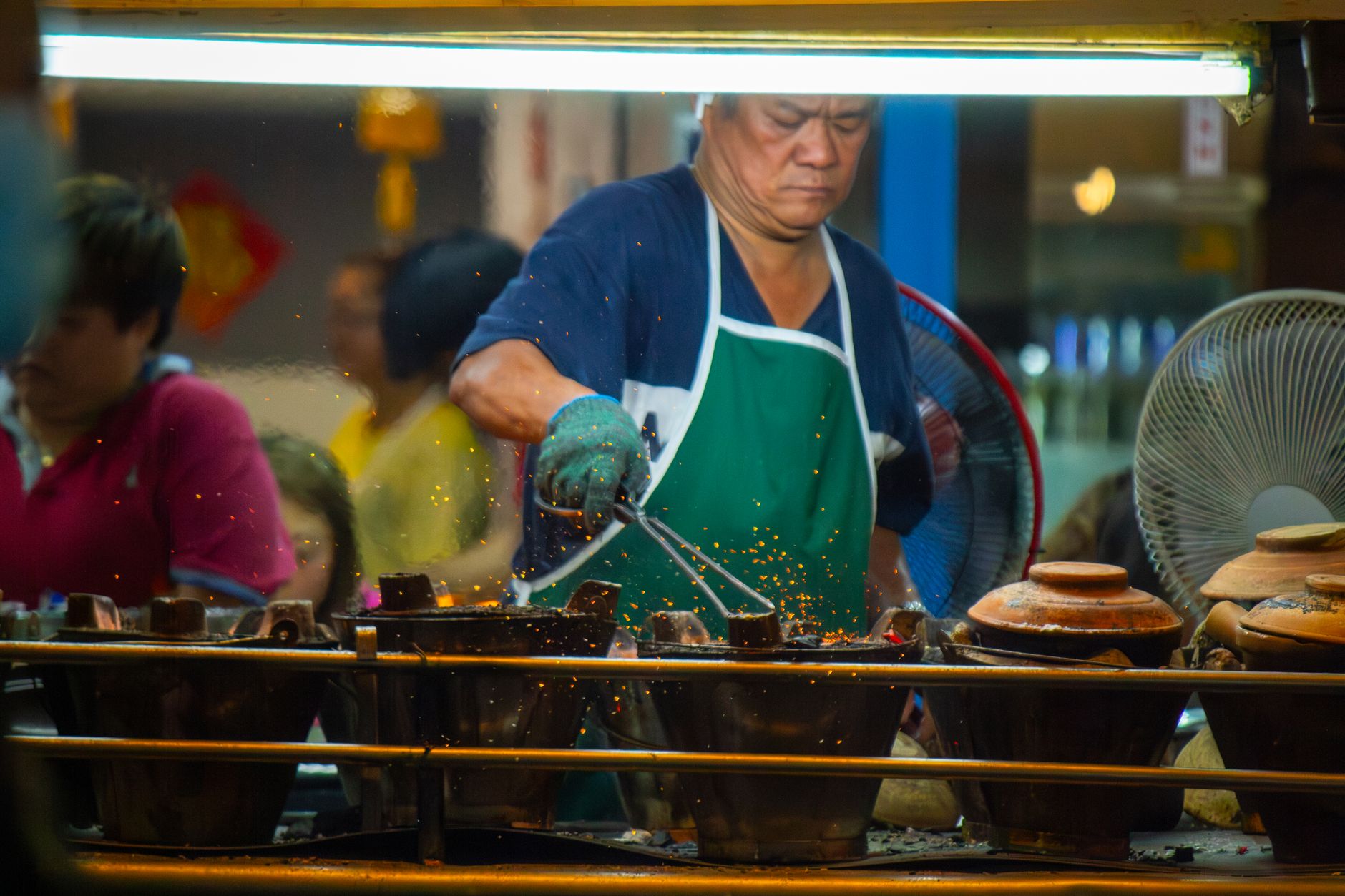
Photo by netograph .capture on Pexels
Decoding Street Food Prices Abroad Saves 30%
Street food is the soul of any city – from Bangkok’s night markets to Mexico City’s bustling tacos stalls. Yet, without a price‑decoding strategy, you can easily overpay and miss out on the best value bites. This guide shows you how to read the numbers, negotiate like a local, and avoid hidden costs so you can cut up to 30% off your street‑food spend without sacrificing flavor.
1. Know the Local Currency and Price Benchmarks
Before you even step foot on a stall, familiarize yourself with the typical price range for the dish you crave. A quick Google search for “average price of pad thai in Bangkok” or a glance at a travel forum can give you a baseline. For example, a fresh banh mi in Ho Chi Minh City usually costs between 30,000‑40,000 VND (≈$1.30‑$1.70). If a vendor charges 70,000 VND, you know you’re being overcharged.
Tip: Download a lightweight currency converter app that works offline. Set custom alerts for your target price range – the app will buzz when a stall’s menu falls within your budget.
2. Use Price‑Comparison Apps and Local Menus
Many Asian and Latin‑American cities have community‑run apps that crowdsource street‑food prices. In Seoul, the Seoul Eats app lets users upload daily menu photos with prices, creating a live price map. In Lisbon, the FoodieRadar Telegram channel posts screenshots of pastel de nata stalls, noting whether they’re “budget” (< €1) or “premium” (≈€2.50).
Real‑world example: While traveling through Oaxaca, I used the FoodieRadar channel to spot a taco stand offering tlayudas at 45 MXN. The average price was 70 MXN, so I saved 35% on a hearty meal simply by following the channel’s tip.
Actionable step: Open the app, filter by dish, and note the lowest price you see. Use that figure as your negotiation anchor.
3. Master the Art of Negotiation and Portion‑Sizing
Negotiation isn’t rude in most street‑food cultures; it’s expected. Approach the vendor with a smile, ask, “Is that the best price for a portion?” and be ready to suggest a lower amount based on your research. In Mexico City, a typical elote (grilled corn) costs 20 MXN. If a vendor quotes 30 MXN, you can say, “I saw it for 22 MXN at the next corner; can you match that?” Vendors often comply to keep the line moving.
Portion‑sizing tricks also help. In Bangkok, many noodle stalls serve a “small” bowl for 30 THB and a “large” for 45 THB. If you’re not overly hungry, ask for a small and add a side of fresh spring rolls (usually 10‑15 THB). The total ends up cheaper than a standard large portion.
Case study: In Lisbon’s Alfama district, I ordered a bacalhau sandwich for €3.50. The vendor offered a “combo” with a drink for €5.00, but I asked for the sandwich alone and saved €1.50 – a 30% reduction on the combo price.
4. Spot Hidden Costs and Seasonal Variations
Street vendors sometimes tack on extra charges for sauces, utensils, or “service fees.” Always ask what’s included. In Jakarta, a satay skewer is advertised at 5,000 IDR, but the vendor adds 2,000 IDR for peanut sauce. By requesting the sauce on the side (often free), you control the final cost.
Seasonality matters too. In Seoul, winter street‑food stalls often raise prices for hotteok (sweet pancakes) because of higher fuel costs. Conversely, during the mango season in Bangkok, mango sticky rice drops to as low as 25 THB per serving. Planning your culinary itinerary around seasonal peaks can shave 10‑15% off your total spend.
Pro tip: When you see a price that seems unusually low, double‑check the portion size. A mini‑size may be half the regular serving, which could still be a win if you’re sharing.
FAQ
Q1: Is it safe to negotiate prices with street vendors?
A1: Absolutely. In most countries, especially in Asia and Latin America, bargaining is part of the street‑food culture. Approach politely, smile, and be prepared to accept the vendor’s final offer if they can’t go lower.
Q2: How can I avoid overpaying for drinks?
A2: Drinks are a common hidden cost. Ask for the price of a plain water bottle before ordering. In many Southeast Asian markets, a 500 ml bottle of water costs 5‑7 THB, while a sugary soda can be double that. Opting for water saves money and keeps you hydrated.
Q3: What if I don’t speak the local language?
A3: Use a translation app to show the menu or type the dish name. Many vendors recognize the English name of popular dishes (e.g., “pad thai”). Pointing to a photo on your phone also works – it signals you’re an informed customer and often leads to a fair price.
Found this helpful? Share it with fellow travelers! ✈️
0 comments:
Post a Comment