



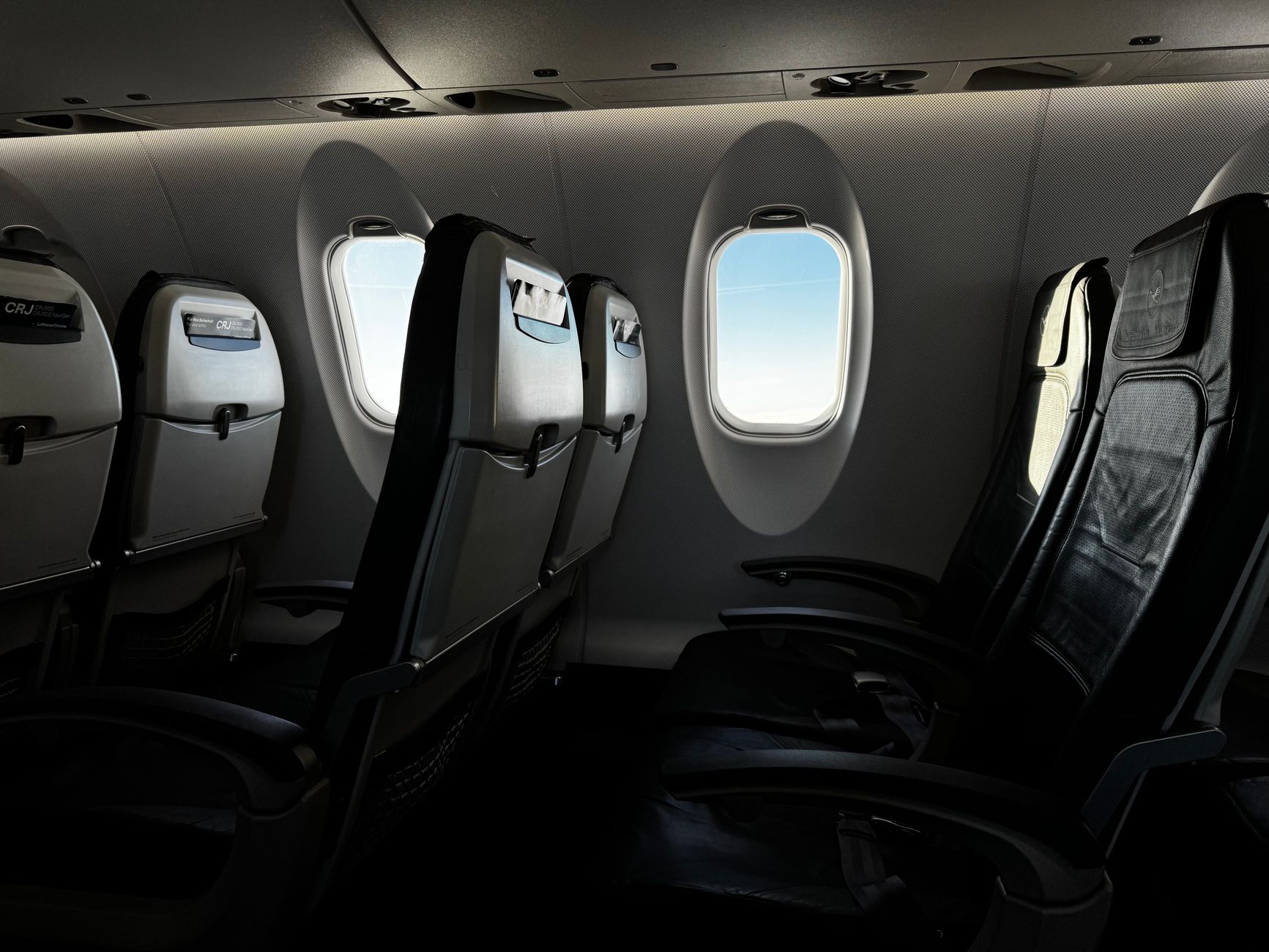
Hydrate Like a Pilot: DIY Oral Rehydration Mix for Every Flight
Long‑haul travel can feel like a marathon in the sky. Cabin pressure, low humidity, and the occasional coffee binge conspire to drain your body of fluids and electrolytes. Pilots train for altitude; you can train your hydration strategy. Below is a comprehensive, pilot‑inspired guide to making your own oral rehydration solution (ORS) that fits in a carry‑on, complies with airline regulations, and keeps you feeling alert from take‑off to touchdown.
1. Why Hydration Matters at 30,000 Feet
Even though the cabin is pressurized, it’s still equivalent to an altitude of 6,000‑8,000 feet. At that height:
- Relative humidity drops to 10‑20%, compared with 30‑60% on the ground.
- Breathing dries out the mucous membranes, increasing fluid loss by up to 0.5 L per hour.
- Carbonated drinks and alcohol accelerate dehydration by promoting diuresis.
Dehydration isn’t just a nuisance; it can impair cognitive function, cause headaches, and worsen jet lag. A well‑balanced ORS restores both water and essential electrolytes—sodium, potassium, and glucose—so your body can reabsorb fluids efficiently.
2. The Science Behind Oral Rehydration Solutions
Commercial ORS products are based on the World Health Organization (WHO) formula: 2.6 g sodium chloride, 2.9 g trisodium citrate, 1.5 g potassium chloride, and 13.5 g glucose per liter of water. The magic lies in the glucose‑sodium co‑transport mechanism in the small intestine, which pulls water into the bloodstream when both are present in the right proportions.
For airline use you don’t need the exact WHO ratios, but you should aim for a solution that contains roughly 50‑70 mmol/L of sodium and a similar osmolarity to avoid stomach upset. The following DIY recipe hits those targets while using pantry staples.
3. DIY Mix: Ingredients, Ratios, and Preparation
What you’ll need (per 1 L of water):
- 1 ½ tsp (7 g) table salt (sodium chloride) – provides ~120 mmol/L Na⁺.
- ½ tsp (2 g) baking soda (sodium bicarbonate) – adds alkalinity and extra sodium.
- ¼ tsp (1 g) potassium chloride (often sold as “salt substitute”) – supplies ~25 mmol/L K⁺.
- 2 tbsp (30 g) granulated sugar or honey – supplies glucose for the co‑transport.
- 1 L of filtered or bottled water (room temperature works best for mixing).
Step‑by‑step preparation:
- Measure the water into a clean, resealable bottle (a 1‑L sports bottle works perfectly).
- Add the salt, baking soda, and potassium chloride. Seal the bottle and shake vigorously for 30 seconds until the powders dissolve.
- Open the bottle and stir in the sugar or honey. Shake again until fully dissolved. The solution should taste mildly salty with a hint of sweetness.
- Label the bottle with the date and ingredients. Store in a cool, dark place for up to 48 hours – longer storage may lead to microbial growth.
Real‑world example: On a 12‑hour flight from New York to Tokyo, a frequent business traveler carries two 500 ml bottles of this mix. She drinks 250 ml every two hours, totaling 1.5 L of rehydrated fluid—enough to counteract the cabin’s low humidity without overloading the bladder.
4. Pilot‑Approved Tips for Using Your Mix Onboard
Creating the mix is only half the battle. Here are actionable strategies that pilots use to stay hydrated, adapted for passengers:
- Pre‑flight sip: Drink 150 ml of the solution 30 minutes before boarding. It primes your gut for efficient absorption.
- Timed sipping: Set a phone alarm for every 90 minutes. Take a 100‑ml sip each time – small, regular doses are easier on the stomach than large gulps.
- Combine with food: Pair the ORS with a protein‑rich snack (e.g., a handful of almonds). Protein slows gastric emptying, allowing the electrolytes more time to work.
- Adjust for altitude: If you’re flying above 40,000 ft (e.g., on a private jet), increase the salt portion by ¼ tsp to compensate for the extra fluid loss.
- Stay compliant: Most airlines allow liquids in containers up to 100 ml for carry‑on, but you can bring the mix in a sealed 500‑ml bottle if you declare it at security. Alternatively, pack the dry ingredients in a zip‑top bag and add water after you clear security.
Remember, the goal isn’t to drink a liter in one go—over‑hydration can lead to frequent bathroom trips, which is the opposite of a smooth flight experience. Aim for a total intake of 1‑1.5 L of ORS plus regular water throughout a typical 8‑hour journey.
FAQ
Can I use sea salt instead of table salt?
Yes, sea salt works, but make sure it’s fine‑ground and contains no additives like iodine or anti‑caking agents, which could alter the electrolyte balance.
Is honey a safe sweetener for the mix?
Honey is fine for most adults, but it adds extra calories and can crystallize in cold cabins. If you prefer a low‑calorie option, use plain granulated sugar or a pinch of dextrose powder.
What if I’m on a low‑sodium diet?
Reduce the table salt to 1 tsp and increase the potassium chloride to ½ tsp. This still provides a functional electrolyte profile while keeping sodium intake modest.
Found this helpful? Share it with fellow travelers! ✈️
0 comments:
Post a Comment