



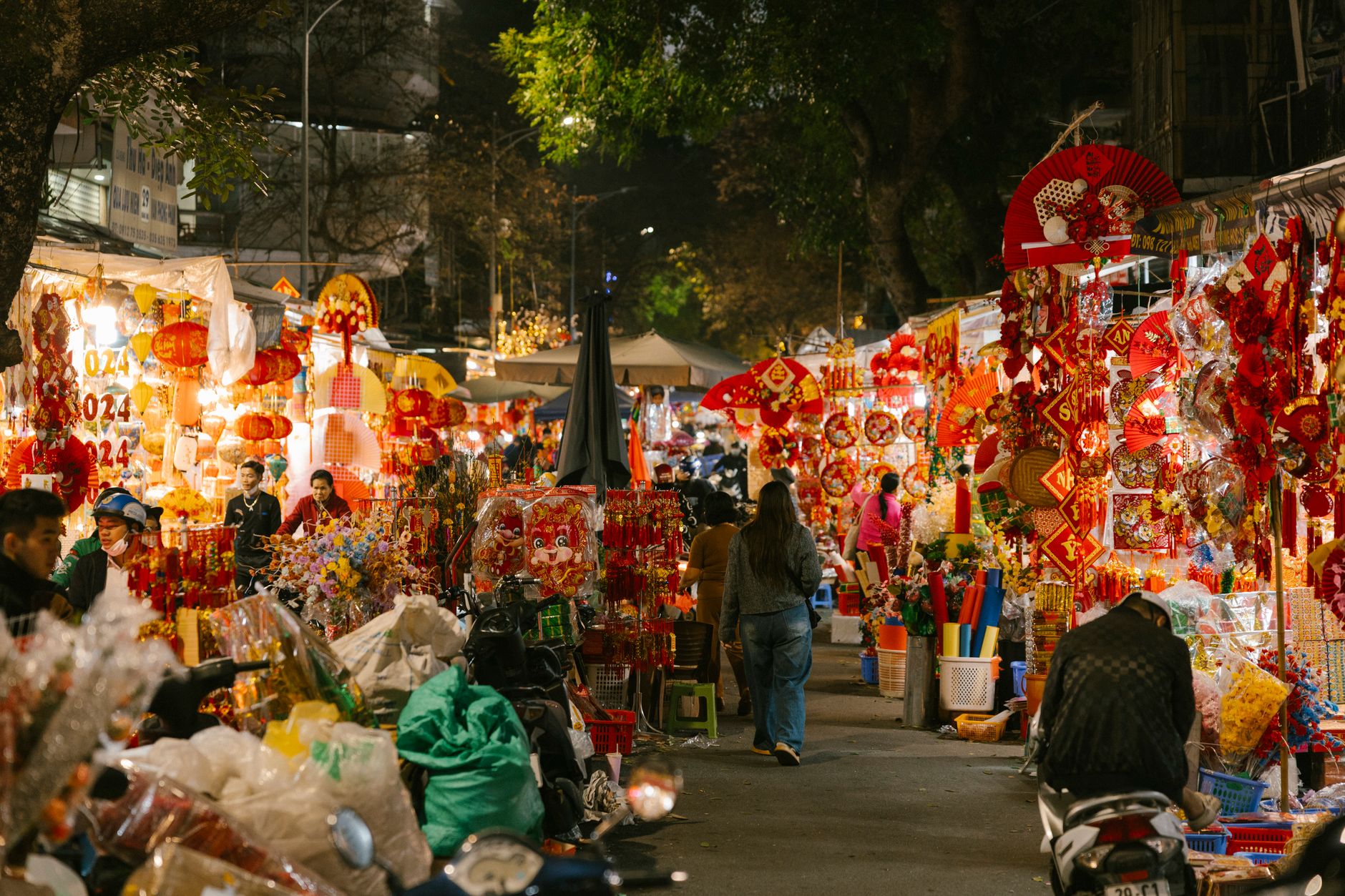
Wandering through a bustling market, the aroma of sizzling spices beckons you to a nearby stall. Before you dive in, a quick mental checklist can turn a tasty gamble into a memorable culinary win. Below are five practical questions—framed as four core sections and a handy FAQ—that empower you to navigate any street‑food scene with confidence, curiosity, and a dash of local savvy.
1. What’s the Signature Dish Here?
Every city has that one street‑food hero that locals rave about. Asking the vendor, "What do you recommend as the house specialty?" instantly opens a dialogue and often lands you the most authentic bite. In Bangkok, the answer is usually pad krapow—spicy basil pork served over jasmine rice, cooked on a flaming wok. In Oaxaca, you’ll hear "tlayudas"—large, crisp tortillas topped with beans, cheese, and chapulines (grasshoppers).
Tip: Keep a notebook or phone note of the dish name, then google a quick translation if needed. Knowing the name helps you compare prices, avoid duplicates, and share your find on social media with the correct spelling.
2. How Is It Traditionally Served?
Street‑food isn’t just about the flavor; it’s about the ritual. Ask, "How do locals usually eat this?" In Mexico City, a taco al pastor is traditionally served on a small corn tortilla, garnished with pineapple, cilantro, and onion—no fork needed. In Marrakech, a bowl of msemen is often accompanied by a drizzle of honey and a side of mint tea, encouraging you to pause and savor.
Actionable tip: Observe the surrounding locals. If they’re eating standing up with a paper napkin, mimic that style. It signals respect for the culture and often leads to a faster service experience.
3. Are There Dietary or Allergy Considerations?
Street stalls can be a hidden minefield for allergens. A simple "Is there any peanuts or shellfish in this?" can save you a trip to the hospital. In Jakarta, many satay skewers are glazed with a peanut sauce, while in Seoul, the popular tteokbokki may contain fish cake. Knowing these details lets you adjust your order or request a swap.
Real‑world example: While traveling through Kerala, I asked the vendor if the coconut chutney contained shrimp. He laughed, clarified it was vegetarian, and offered a fresh banana leaf plate—an unexpected upgrade that made the meal even more authentic.
4. Where’s the Best Spot to Eat?
Location matters. The same dish can taste different depending on foot traffic, time of day, and stall reputation. Ask, "When is this stall busiest?" In Ho Chi Minh City, the Bánh mì stand on Bến Thành Market sells out before noon, meaning the freshest baguettes are served early. In Lisbon’s Alfama district, the grilled sardines cart is livelier after sunset, when locals gather for a night‑time snack.
Pro tip: Look for stalls with a line of locals rather than tourists. A steady queue of residents usually signals consistent quality and fair pricing.
FAQ
- Q: How do I politely ask for a less spicy version?
- A: Use a friendly tone and say, "Could you tone down the chili a bit?" Most vendors appreciate the request and will adjust the heat level without extra charge.
- Q: What’s the safest way to pay at a street stall?
- A: Cash is king in most markets, but many stalls now accept QR‑code payments (WeChat Pay, GCash, etc.). Carry small bills and keep change handy to avoid awkward moments.
- Q: How can I tell if the food is prepared hygienically?
- A: Look for signs of cleanliness—clean utensils, fresh ingredients displayed on ice, and a vendor who washes hands regularly. If the stall is covered, has a running water source, or uses gloves, it’s a good indicator of food safety.
By asking these five questions—what’s the signature dish, how it’s served, any allergens, the best spot, and the quick FAQ you’ve just read—you’ll transform a simple snack into a cultural immersion. So the next time your stomach growls in a foreign alley, pause, ask, and then dig in. Happy eating!
Found this helpful? Share it with fellow travelers! ✈️
0 comments:
Post a Comment