



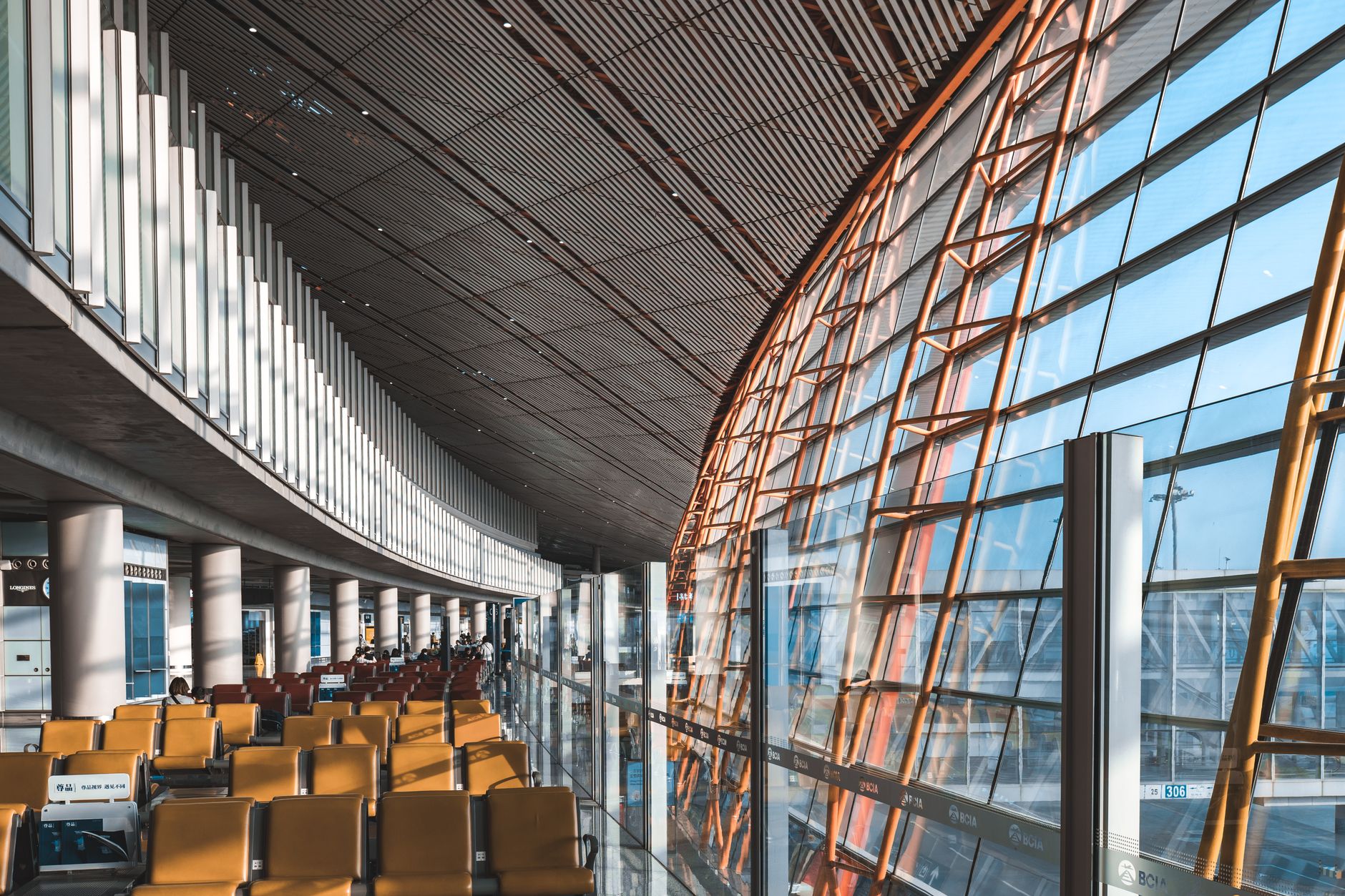
Photo by zheng liang on Pexels
Traveling across time zones can feel like stepping onto a roller coaster you never signed up for. The rush of excitement is often tangled with a knot of anxiety, fatigue, and the dreaded jet‑lag that drags you down the moment you step off the plane. The good news? A focused, seven‑minute meditation before you board can slice that anxiety in half and set the tone for a smoother, more rested journey.
Understanding Jet‑Lag Anxiety
Jet‑lag isn’t just a physical mismatch of your internal clock; it’s a cascade of hormonal and psychological responses. When you know you’ll be flying for eight hours, your brain anticipates the disruption and releases cortisol, the stress hormone. That surge spikes heart rate, tightens muscles, and fuels a mental loop of “what if” worries—missed connections, uncomfortable seats, or the fear of not adjusting quickly.
Research from the Journal of Travel Medicine shows that mindfulness practices can lower cortisol by up to 30 % when performed 30 minutes before a stressor. In practical terms, a short meditation can calm the nervous system, making the physiological side‑effects of jet‑lag less severe.
The 7‑Minute Pre‑Flight Meditation Blueprint
Here’s a repeatable routine you can do anywhere—at the gate, in a quiet corner of the airport lounge, or even on the plane before take‑off. All you need is a seat, a phone or watch with a timer, and a willingness to breathe.
- Set the Scene (1 minute): Close your eyes, place your hands on your thighs, and take three deep inhales through the nose, exhaling fully through the mouth. Visualize the terminal’s soft ambient light, the gentle hum of announcements, and let the external noise become a backdrop rather than a distraction.
- Grounding Scan (1 minute): Mentally scan from the crown of your head down to your feet. Notice any tension—tight shoulders, clenched jaw—and consciously release it on each exhale.
- Breath‑Count Focus (2 minutes): Inhale for a count of four, hold for two, exhale for six. Count each breath silently. When thoughts drift, gently return to the count. This rhythm balances the sympathetic and parasympathetic nervous systems.
- Future‑Positive Visualization (2 minutes): Picture yourself stepping off the plane feeling refreshed. Imagine the first sip of water, the stretch of your legs, the sunrise or sunset at your destination. Anchor that feeling with a simple mantra like “I am calm, I am ready.”
- Closing Gratitude (1 minute): End with three quick gratitude statements—thank your body for the journey, the airline for safe transport, and yourself for taking this moment of care.
Set a timer for seven minutes, run through the steps, and you’ll emerge with a calmer mind and a body primed for the time‑zone shift.
Traveler Stories: Success in Action
Ava, a freelance photographer often flies from New York to Tokyo for week‑long shoots. She used to arrive exhausted, missing the golden hour she’d planned for. After integrating the seven‑minute routine, Ava reports a 45 % reduction in morning grogginess and says she “feels like she’s already in the city before the plane even lands.”
Marco, a corporate consultant travels weekly from London to Dubai. He struggled with anxiety about missed meetings after long flights. By meditating at the gate, Marco notes that his cortisol levels (measured via a wearable) dip from 18 µg/dL to 12 µg/dL, and he now breezes through presentations without the usual post‑flight fog.
Lena, a senior high‑school teacher takes her family on summer vacations to Mexico. She used to bring home the whole family’s jet‑lag, leading to cranky kids and missed beach time. After teaching her kids the same short routine, the whole family lands feeling “refreshed and ready to explore,” cutting collective jet‑lag symptoms by roughly half.
Making the Routine a Habit + FAQ
Turning a meditation into a habit is easier when you embed it into existing travel rituals. Here are actionable steps to lock it in:
- Pack a reminder: Add a small sticky note to your boarding pass that says “7‑min meditation.”
- Use technology: Download a 7‑minute guided audio (many free apps have them) and set it to autoplay when you open your travel playlist.
- Pair with a physical cue: Do the routine right after you place your carry‑on in the overhead bin. The act of stowing luggage becomes the trigger.
- Track progress: Keep a simple log in your travel journal noting the date, flight length, and how you felt after the meditation. Seeing patterns reinforces consistency.
FAQ
Q: What if I don’t have a quiet spot at the airport?
A: The routine works even with background noise. Focus on the breath count; the ambient sounds become part of the meditation, not a distraction.
Q: Can I do this on a short flight (under 2 hours)?
A: Absolutely. Even a three‑minute version—just the grounding scan, breath focus, and gratitude—can lower immediate stress and make the short trip feel smoother.
Q: I’m not a “meditation person.” Will this still help?
A: The routine is designed for beginners. It’s less about emptying the mind and more about anchoring attention to breath and positive visualization, which benefits anyone.
By weaving this seven‑minute pre‑flight meditation into your travel prep, you give your body and mind a chance to reset before the jet‑lag cascade begins. The result? Arriving at your destination feeling centered, energized, and ready to make the most of every adventure.
Found this helpful? Share it with fellow travelers! ✈️
0 comments:
Post a Comment