



Photo by Caio Pezzo on Pexels
Wandering through a bustling night market or a downtown food‑truck alley, the aroma of simmering broth can be irresistible. Yet not every steaming bowl of noodles lives up to the promise of genuine Japanese ramen. The secret often lies in the menu itself. By reading a few key phrases, you can separate the tourist‑friendly knock‑offs from the real deal—without having to ask the chef for a secret recipe. Below are four practical ways to decode a cart’s menu and confidently order authentic ramen.
Read the Broth Description: The Heartbeat of Authentic Ramen
The broth is the soul of ramen, and a trustworthy cart will describe it with specificity. Look for terms like tonkotsu (pork bone), shoyu (soy‑sauce), shio (salt), or miso. These aren’t marketing buzzwords; they indicate the base stock and its preparation time. For example, a menu that lists “rich, creamy tonkotsu broth simmered 18 hours” signals a commitment to depth of flavor. In contrast, vague wording such as “savory broth” or “special sauce” usually means a shortcut broth made from instant stock.
Actionable tip: At the Tokyo Street Cart in Los Angeles, the menu reads “slow‑braised chicken‑bone shio broth, 12‑hour simmer.” Order the Shio Ramen and you’ll taste a clear, mineral‑rich soup that feels distinctly Japanese.
Spot the Noodle Details: Texture and Origin
Authentic ramen uses wheat‑based noodles with a firm, slightly chewy bite—known as koshi in Japanese. Menus that mention “hand‑rolled,” “freshly made,” or “alkaline‑infused” noodles are usually a good sign. The alkaline component (kansui) gives the noodles their characteristic yellow hue and springy texture.
Real‑world example: The Ramen Cart in Seattle lists “house‑made, alkaline‑infused noodles, cooked al dente.” When you order the Miso Ramen, the noodles hold up well against the rich broth, providing that satisfying chew that instant‑noodle vendors can’t replicate.
Look for Toppings That Tell a Story
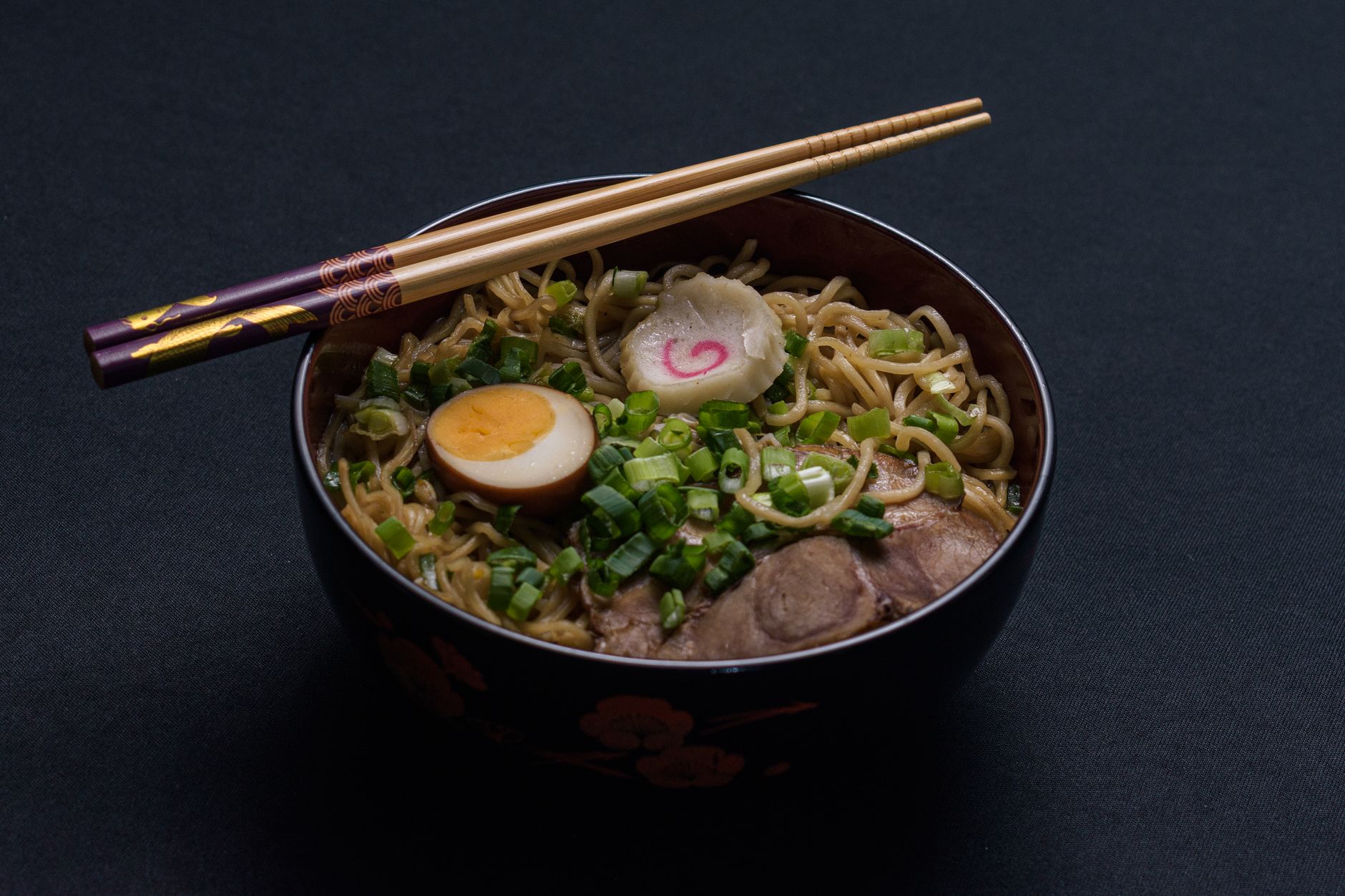
Traditional ramen is a harmonious assembly of toppings, each with a purpose. Authentic carts will feature chashu (braised pork belly), menma (bamboo shoots), negita (green onions), and a soft‑boiled ajitsuke tamago (marinated egg). If the menu only offers generic “meat” or “vegetables,” the bowl may be a simplified version aimed at quick service.
Actionable tip: At San Francisco’s Ramen on Wheels, the menu highlights “slow‑braised chashu, butter‑soft ajitsuke tamago, and sweet corn kernels.” Ordering the Butter Corn Tonkotsu gives you layers of flavor—sweet corn for crunch, melt‑in‑your‑mouth pork, and a silky broth that’s unmistakably authentic.
Check the Pricing and Portion Size for Authenticity
Quality ramen isn’t cheap, but it also isn’t exorbitant. Expect a price range of $8‑$14 for a bowl with premium ingredients in most U.S. cities. Extremely low prices (< $6) often indicate pre‑made broth or low‑quality noodles. Conversely, a price that’s too high for a street cart may mean you’re paying for location rather than food quality.
Real‑world check: The Osaka Noodle Cart in New York lists its classic shoyu ramen at $11 for a 16‑oz bowl. The portion feels generous, and the broth is clearly made in‑house. If you see a $5 ramen on a cart with a similar name, be skeptical—most likely it’s a diluted version.
FAQ
- Q: How can I tell if a ramen broth is made from scratch?
A: Look for descriptors that mention simmering time (e.g., “12‑hour simmer”) and specific base ingredients (pork bones, chicken, seafood). Vague phrases like “special broth” usually mean a stock cube or powder. - Q: Are alkaline noodles always a sign of authenticity?
A: Yes, authentic ramen noodles contain kansui, an alkaline mineral solution. Menus that note “alkaline‑infused” or “kansui” noodles are likely using the traditional recipe. - Q: What toppings are non‑negotiable for genuine ramen?
A: At a minimum, expect chashu, a seasoned egg, green onions, and menma. Additional toppings like corn, butter, or cheese are regional variations, but the core toppings should be present.
Found this helpful? Share it with fellow travelers! ✈️
0 comments:
Post a Comment