



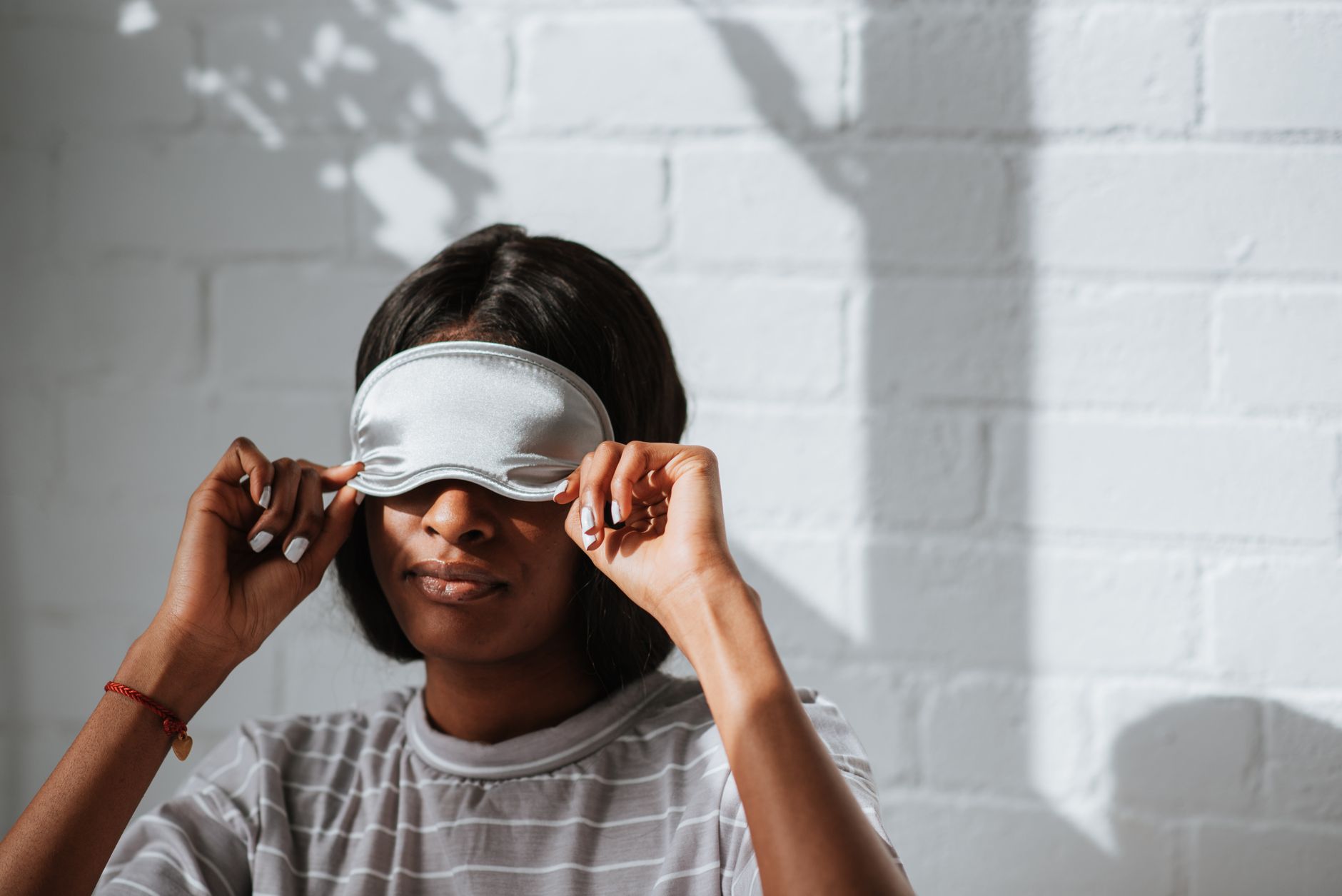
Photo by Anete Lusina on Pexels
Step 1: Sync Your Internal Clock Before You Board
Before you even step into the terminal, the first pillar of the Pre‑Flight Sleep Protocol is to align your circadian rhythm with your destination’s time zone. The science is simple: light exposure, meal timing, and short naps can shift your internal clock by up to two hours per day.
Actionable tip: If you’re flying from New York to Tokyo (a 13‑hour difference), start adjusting three days prior. Each morning, expose yourself to bright light for 30 minutes at the time you’ll be waking up in Tokyo. In the evenings, dim the lights and avoid screens after 9 p.m. local New York time. A real‑world example: a business traveler named Maya set a smart lamp to turn on at 6 a.m. Tokyo time while still in Manhattan, and she reported feeling only mildly groggy on arrival.
- Use a light therapy box (10,000 lux) for 20–30 minutes in the morning.
- Shift meals forward by 30 minutes each day to match destination meal times.
- Avoid caffeine after 2 p.m. local time to prevent sleep disruption.
Step 2: Create a Pre‑Flight Sleep Sanctuary
Airports are noisy, bright, and full of interruptions. Your second step is to replicate a bedroom environment in the hours leading up to departure. This signals your brain that it’s time to wind down, making the actual flight sleep easier.
Actionable tip: Arrive at the airport early enough to spend at least 45 minutes in a quiet lounge. Bring a travel pillow, a lightweight blanket, and a pair of noise‑cancelling headphones. For example, Tom, a frequent flyer, uses a compact memory‑foam pillow and a white‑noise app set to “rainforest” on his phone. He reports falling asleep within 10 minutes on the plane, even on a 12‑hour flight.
- Wear a comfortable, breathable sleep mask to block ambient light.
- Set your phone to “Do Not Disturb” and enable the “Night Shift” color filter.
- Apply a calming essential oil blend (lavender + cedarwood) to your pillowcase.
Even if you can’t secure a lounge, a gate‑area recliner combined with a portable footrest can mimic the ergonomics of a good night’s sleep.
Step 3: Optimize In‑Flight Sleep Timing
The final piece of the protocol is to schedule your sleep window during the flight so that you land ready to stay awake at the appropriate local time. This is where the “sleep‑then‑light” rule shines.
Actionable tip: Calculate the destination’s night‑time window and aim to sleep for 6–7 hours within that period, regardless of the clock on the plane. For a west‑bound flight from London to Los Angeles, the destination night begins at 10 p.m. PST. If you board at 1 p.m. GMT, set your watch to PST, dim the cabin lights, and sleep from 10 p.m. to 4 a.m. PST. Real‑world example: Elena, a photographer, used a smartwatch to receive a gentle vibration at her target bedtime, and she arrived in San Francisco feeling refreshed after a single sleep block.
- Take a short 20‑minute “power nap” 90 minutes before your main sleep block to reduce sleep inertia.
- Stay hydrated—drink 250 ml of water every hour, but limit fluids 30 minutes before sleep to avoid bathroom trips.
- Consume a small protein‑rich snack (e.g., a handful of almonds) to prevent midnight hunger spikes.
When the flight is shorter than your target sleep window, use the “strategic caffeine” method: avoid caffeine for the first half of the flight, then have a modest cup (≈100 mg) 30 minutes before you plan to stay awake, aligning with your destination’s morning.
FAQ
Q1: What if I can’t adjust my sleep schedule before the trip?
A: Even a single day of light exposure and meal timing can make a noticeable difference. Use a portable light therapy visor on the day of travel and eat a light, protein‑focused dinner at the destination’s dinner time.
Q2: Is it safe to use sleep‑inducing supplements on a plane?
A: Over‑the‑counter melatonin (0.5–3 mg) is generally safe for most adults and can help initiate sleep without the grogginess of prescription sleep aids. Always test the dosage at home before the flight.
Q3: How do I stay alert after landing if I still feel sleepy?
A: Expose yourself to bright natural light within the first hour, move around with a brisk walk, and sip a low‑caffeine green tea. A 10‑minute stretch routine can also jump‑start circulation and reduce lingering drowsiness.
Found this helpful? Share it with fellow travelers! ✈️
0 comments:
Post a Comment