



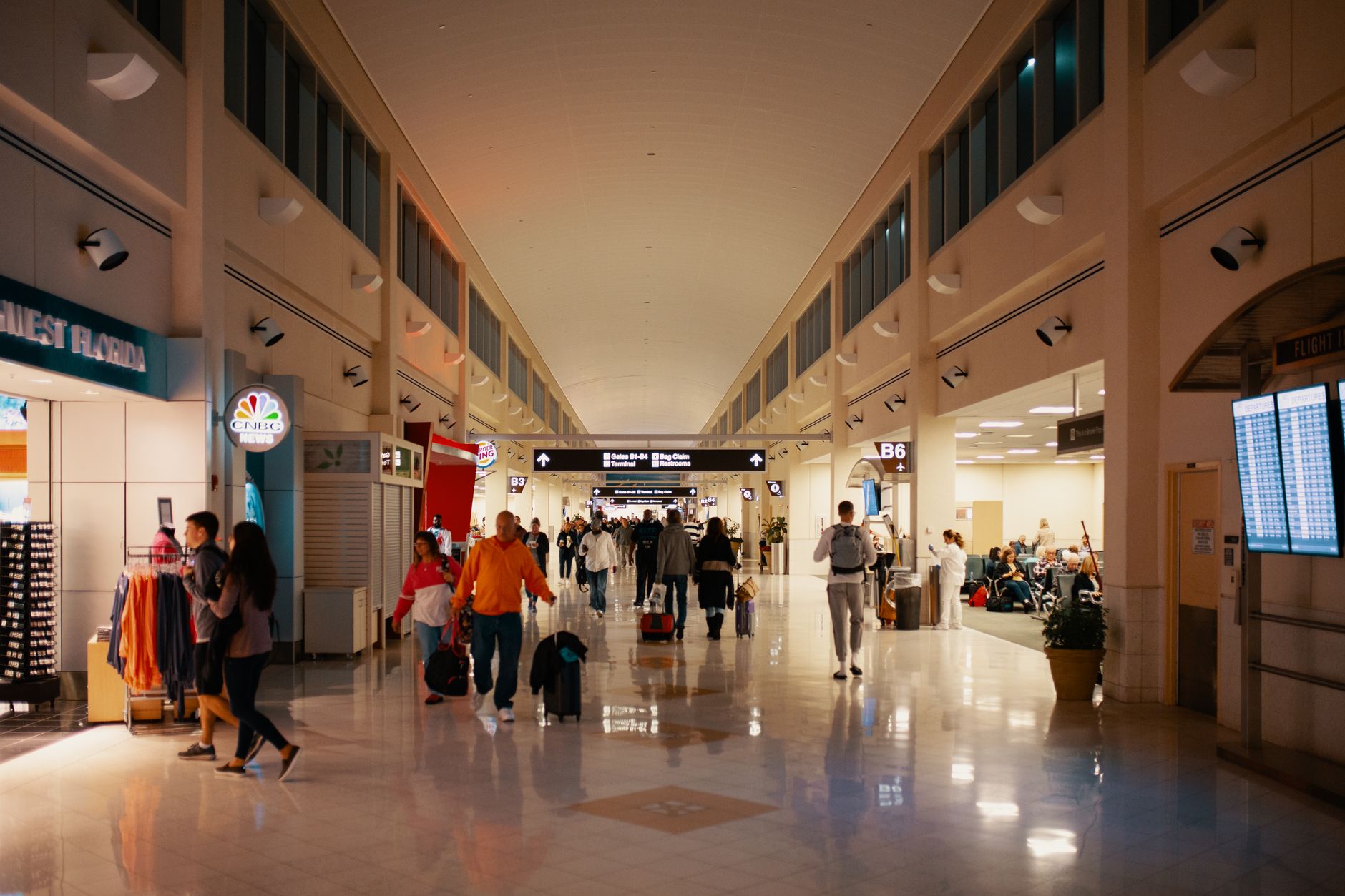
Photo by Josh Sorenson on Pexels
Why a Short Walk After Landing Matters
Long‑haul flights, cramped seats, and the sudden change from cabin pressure to ground level can leave your cardiovascular system in overdrive. Studies show that a brief, purposeful walk can lower heart rate by up to 15 % within minutes, improve circulation, and reduce the risk of deep‑vein thrombosis. The 8‑Minute Post‑Landing Walk is a science‑backed micro‑exercise that fits into any travel itinerary without requiring a gym or special equipment.
Think of it as a reset button for your pulse. By engaging the leg muscles and encouraging venous return, you signal your body that it’s time to transition from ‘flight mode’ to ‘ground mode.’ The result? Less fatigue, clearer thinking, and a smoother onward journey.
How the 8‑Minute Walk Works: The Physiology in Plain English
When you sit for hours, blood pools in the lower limbs and the sympathetic nervous system stays activated. A short walk does three things:
- Activates the calf muscle pump: each step squeezes the veins, pushing blood back toward the heart.
- Triggers parasympathetic response: gentle movement shifts the autonomic balance, lowering heart rate and blood pressure.
- Boosts oxygen uptake: even a light stroll increases alveolar ventilation, helping your body clear the residual carbon‑dioxide from the cabin.
These mechanisms are why airlines now recommend passengers stand up and move around during long flights. The 8‑minute version simply condenses the benefits into a focused, timed routine.
Step‑by‑Step Guide to the 8‑Minute Post‑Landing Walk
- Timing is key: Begin within five minutes of stepping off the jet bridge. The sooner you start, the quicker your pulse can normalize.
- Find a clear corridor: Look for an airport hallway with minimal foot traffic. If you’re at a smaller regional airport, the baggage claim walkway works just as well.
- Set a timer: Use your phone or a smartwatch to count down eight minutes. This prevents you from over‑exerting yourself after a tiring flight.
- Adopt a brisk yet comfortable pace: Aim for a speed that raises your breathing slightly but still allows you to hold a conversation. For most travelers, that’s about 3–4 km/h (2–2.5 mph).
- Incorporate arm swings: Let your arms swing naturally; this adds a mild upper‑body workout and further stimulates circulation.
- Finish with a deep‑breathing reset: At the eight‑minute mark, pause, inhale through the nose for four counts, hold two, then exhale slowly for six. Repeat three times.
That’s it—eight minutes, no equipment, and you’re ready to tackle customs, luggage, or a meeting with a steadier pulse.
Real‑World Examples & Practical Tips
Case 1: Business traveler from New York to Tokyo – Maya lands at Narita after a 14‑hour flight. She walks the terminal’s main corridor, counting her steps with a smartwatch. By minute eight, her heart rate drops from 98 bpm to 78 bpm, and she feels alert enough to jump straight into a video call.
Case 2: Family vacationers in Barcelona – The Garcia family disembarks at El Prat and heads to the nearby garden terrace. The kids turn the walk into a “treasure hunt,” spotting airport art installations every 30 seconds. The playful element keeps them moving without feeling like exercise.
Quick tip: Pair the walk with hydration. Sip a bottle of water before you start; proper hydration amplifies the circulatory benefits and helps combat the dry cabin air.
Quick tip: Use airport signage as milestones. For example, walk from Gate A12 to the information desk (≈200 m), then to the nearest coffee shop (≈150 m), and back. This creates natural intervals and prevents monotony.
Quick tip: Turn it into a networking moment. If you’re traveling solo, a brief stroll can be a low‑pressure way to strike up a conversation with fellow passengers—turning health into a social advantage.
FAQ
Q1: Is the 8‑minute walk safe for people with heart conditions?
A: Yes, for most stable conditions. The walk is low‑intensity, but always consult your physician if you have a diagnosed arrhythmia or recent cardiac event.
Q2: What if the airport is crowded and I can’t find a clear corridor?
A: Look for less‑busy zones such as the arrival lounge, a nearby parking garage, or even outside the terminal. Even a short loop around a baggage claim area counts.
Q3: Can I replace the walk with other activities like stretching or yoga?
A: Light stretching can complement the walk, but the primary benefit comes from rhythmic leg movement that activates the calf pump. If you’re short on space, a 2‑minute marching‑in‑place routine can serve as a backup.
Found this helpful? Share it with fellow travelers! ✈️
0 comments:
Post a Comment